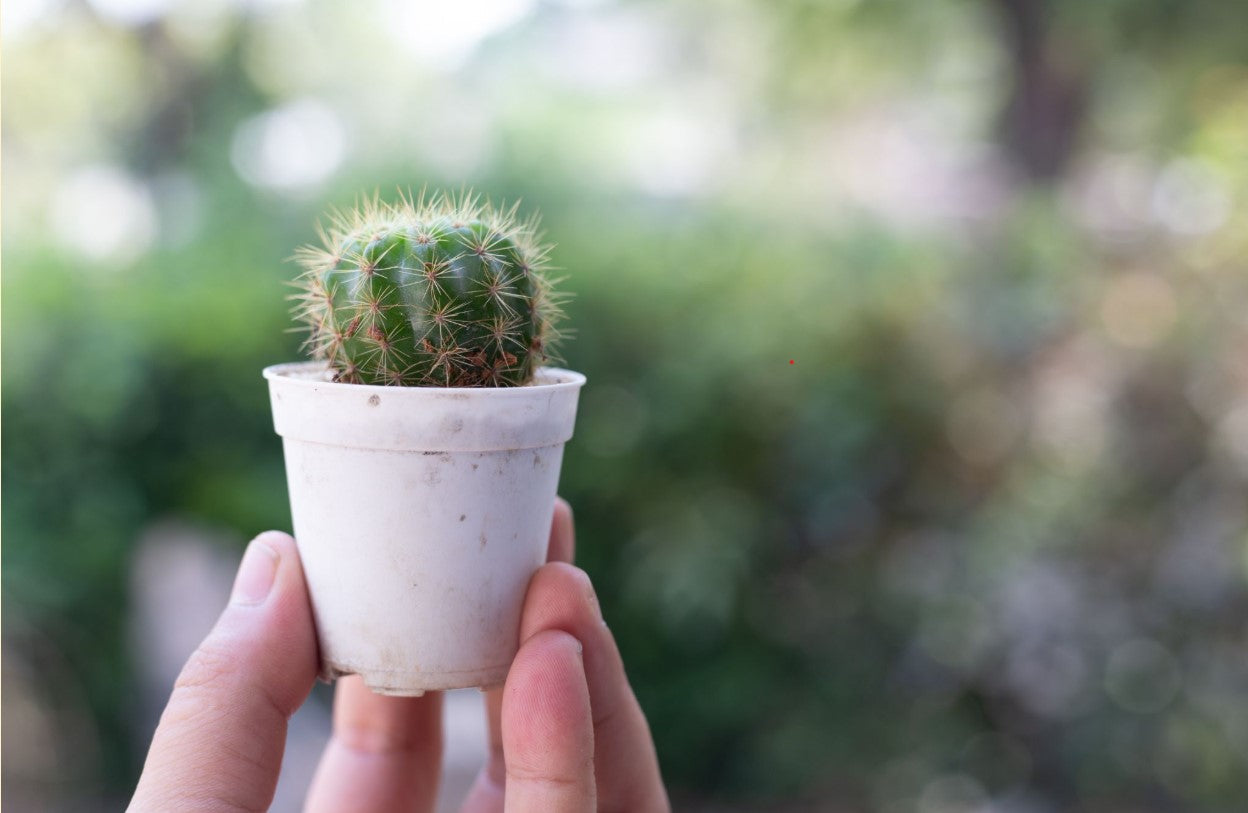
If you have ever watched a cactus slowly turn mushy and yellow despite your best care, chances are the soil was the problem, not you.
Most plant parents don't realize that cactus soil is a completely different animal from your everyday indoor potting soil for house plants. Cacti and succulents come from dry, rocky, fast-draining environments. Giving them heavy, moisture-retaining soil is essentially the same as giving a fish a cup of sand to swim in. It just doesn't work.
The good news? Once you know what to look for in a quality cactus potting mix, you will never waste money on the wrong bag again. In this guide, let’s find out the 7 most important things to check before you buy the cactus soil.
Keep reading!
What to Look for Before Buying The Best Cactus Potting Mix
In this section, let’s explore the things to consider while shopping for the cactus soil:
1. Fast Drainage Is Non-Negotiable
The single most important job of any cactus soil is to let water move through it quickly. Cacti and succulents evolved to thrive in environments where rainfall is rare, and the ground dries out fast. Their roots are not built to sit in wet soil; leave them there long enough and root rot takes over.
When you evaluate a cactus potting mix, look for a chunky, gritty texture. You should feel the coarse particles in your hand. If the mix feels dense, clumpy, or fine like flour, put it back on the shelf.
High-quality mixes include ingredients like coarse sand and pumice to speed up drainage. Some premium formulas use large-grade aggregate as a core structural ingredient; this keeps the mix open and airy, no matter how often you water.
2. Proper Aeration Around the Roots
Drainage and aeration go hand in hand, but they are not the same thing. Drainage moves water out. Aeration gets oxygen to the roots.
Healthy roots need oxygen just as much as they need water and nutrients. A compacted succulent potting mix suffocates roots over time, even when water drains away. This is why so many generic indoor plant soil options fail cacti; manufacturers design them for plants that love moisture, not desert dwellers.
Look for mixes with visible structural variety, different-sized particles that create air pockets throughout the soil. A good cactus soil potting mix should feel light and loose even after you pack it into a pot.
3. Low Organic Matter Content (But Not Zero)
Here's where things get a little nuanced. Cacti don't need much nutrition; they are slow-growing plants that adapt to lean, nutrient-poor environments. A plant soil that's too rich in organic matter holds too much moisture and encourages fungal problems.
That said, you don't want zero organic content either. A small amount of quality compost or worm castings gives your plants a gentle, steady nutrient supply without overwhelming them. Balance is the key word here.
Worm castings in particular stand out as an ingredient; they are nutrient-dense, gentle, and naturally improve microbial activity in the soil without the risks that come with synthetic fertilizers.
Ready to give your cactus the soil it was born to grow in? Shop Rosy Soil Cactus & Succulent Mix → Peat-free, biochar-powered, and backed by real plant science.
4. Beneficial Microbes and Living Biology
This is the element most budget cactus potting mixes skip entirely, and it matters more than most people think.
Healthy soil for indoor plants isn't just dirt and minerals. It's a living ecosystem. Mycorrhizal fungi, for example, form a symbiotic relationship with plant roots, extending their reach and dramatically improving water and nutrient absorption. Beneficial bacteria add enzymes and growth-boosting compounds that help your plant establish faster and stay healthier longer.
When you choose a cactus soil loaded with microbial life, you are giving your plant a living support system. This is especially important when you repot, because roots are stressed and need all the help they can get.
Not all indoor potting soil for house plants includes this biology; look for it specifically on the label before you buy.
Also Read: How to Repot Succulents: A Step-by-Step Guide (With the Right Soil)
5. Peat-Free Formula
A lot of traditional cactus soil potting mix products still use a peat moss base. Manufacturers rely on peat because it's cheap, but it brings serious problems with it.
First, mining companies extract peat from ancient wetland bogs that store massive amounts of carbon. That extraction releases carbon into the atmosphere and destroys ecosystems that take thousands of years to grow back. Not great.
Second, and more relevant for your plants, peat compacts over time. Once it dries out, it repels water instead of absorbing it. You'll notice it pulling away from the sides of the pot. It can also invite fungus gnats. For succulent potting mix, especially, compaction kills plants slowly.
Biochar is the smarter alternative: a carbon-negative ingredient made from organic material that improves drainage, retains nutrients, hosts beneficial microbes, and stores carbon in the soil rather than releasing it. If you find a cactus potting mix that's peat-free and biochar-powered, that's a very strong sign you are holding something worth buying.
So what are you waiting for? Visit Rosy soil to buy the best cactus soil mix today!
6. pH-Balanced for Desert Plants
Most cacti and succulents prefer a slightly acidic to neutral soil pH, somewhere between 6.0 and 7.0. When the pH goes outside that range, your plant struggles to absorb nutrients, even when the nutrients are sitting right there in the soil.
Most soil packaging rarely mentions this, but it's worth knowing before you buy. A high-quality cactus soil should carry a formulation that keeps pH balance in mind. If you're mixing your own blend or amending an existing indoor potting soil, pick up an inexpensive pH test kit to stay in the right range.
7. Sustainable, Clean Ingredients
Last but definitely not least, check what's actually in the bag.
The plant soil industry isn't tightly regulated, and some cheap mixes contain synthetic wetting agents, plastic additives, or mystery fillers that have no business being near your plants. When you shop for indoor potting soil for house plants, especially for sensitive cacti and succulents, ingredient transparency should be your baseline requirement.
Look for brands that clearly list every component and prioritize regenerative, organic sourcing. Ingredients like compost, biochar, pine bark fines, mycorrhizae, worm castings, and pumice all signal a thoughtfully formulated product.
Give extra credit to brands that invest in real soil science, actual plant trials, dedicated research teams, and scientific advisory boards, rather than throwing together whatever costs least at the warehouse.
Why Soil Quality Affects Every Plant in Your Home
You might be wondering: Does this really make that big a difference? My cactus has survived in whatever soil it shipped with.
Surviving and thriving are two very different things. The right cactus soil potting mix won't just keep your plant alive; it actively encourages real growth, vivid coloring, and a root system strong enough to support the plant for years without replacement.
This principle extends beyond cacti, too. Whether you are shopping for succulent potting mix, monstera soil, or general indoor plant soil for your whole collection, soil quality is the foundation on which everything else sits. Get it right, and plant care becomes noticeably easier.
Have questions about which mix is right for your plants? Whether you are repotting your first cactus or managing a full indoor jungle, the Rosy Soil team wants to help. Reach out to us today!
Conclusion
Choosing the right cactus soil isn't complicated once you know what to look for. Fast drainage, proper aeration, a touch of organic nutrition, living microbial biology, a peat-free formula, the right pH, and clean, transparent ingredients: these seven things separate a mix that merely keeps your plant alive from one that helps it genuinely thrive.
The soil you choose today becomes the foundation on which your plant grows for years. Don't leave that to chance with a cheap, mystery-filled bag off a big-box shelf.
At Rosy Soil, every bag of cactus and succulent mix is built around real soil science; no peat, no synthetics, no shortcuts. Just thoughtfully sourced ingredients, carbon-negative biochar, and living biology that works with your plant, not against it. Your cactus has survived a lot. Give it a soil that lets it do more than just survive.
Frequently Asked Questions
Q1. Can I use regular indoor potting soil for my cactus?
A: Not recommended. Standard indoor potting soil for house plants is designed to retain moisture, which is the opposite of what cacti need. It holds water around the roots far too long and can lead to root rot within weeks. A dedicated cactus soil potting mix with coarse, fast-draining ingredients is always the safer choice.
Q2. How often should I repot my cactus, and does the soil need to be replaced?
A: Most cacti benefit from repotting every two to three years, or whenever you notice roots circling the bottom of the pot. Yes, fresh soil matters every time you repot, old soil compacts, loses its structure, and depletes its microbial life. Starting with a fresh cactus potting mix each time gives your plant's roots the best possible environment to re-establish.
Q3. Why is peat-free cactus soil better for my plant?
A: Peat compacts over time and becomes water-repellent once it dries out, which is a serious problem in a plant that already needs minimal watering. You'll often see it shrink away from the sides of the pot. Peat-free formulas using ingredients like biochar stay structurally open longer, drain better, and support the microbial life your plant actually needs.