Spring is known as the gardening season, but did you know you can (and should!) start many of your favorite herbs, veggies, and greens before the weather warms up?
Whether you're growing in a cozy apartment or a sun-drenched backyard, getting a head start on seed starting means stronger, healthier plants by the time spring fully arrives.
First: Know Your Growing Zone
Before you choose what to plant and when, it’s important to know your USDA Hardiness Zone - it tells you how cold your winters get and when your last frost typically occurs.

👉 Find your USDA growing zone here →
Here’s a quick guide:
| Zone | Average Last Frost Date | Best Feb/Mar Activities |
|---|---|---|
| 3–5 | Late May–Early June | Start seeds indoors only |
| 6–7 | Mid–Late April | Start indoors, prep beds |
| 8–9 | March–Early April | Start indoors or direct sow hardy crops |
| 10–11 | January–February | Direct sow warm-season crops now |
What Seeds to Start in February & March (By Zone)
For All Zones - Start Indoors:
These plants need time to grow before they can be moved outdoors, no matter where you live:
-
Basil
-
Parsley
-
Chives
-
Oregano
-
Tomatoes
-
Peppers
-
Eggplant
-
Broccoli
-
Cabbage
-
Cauliflower
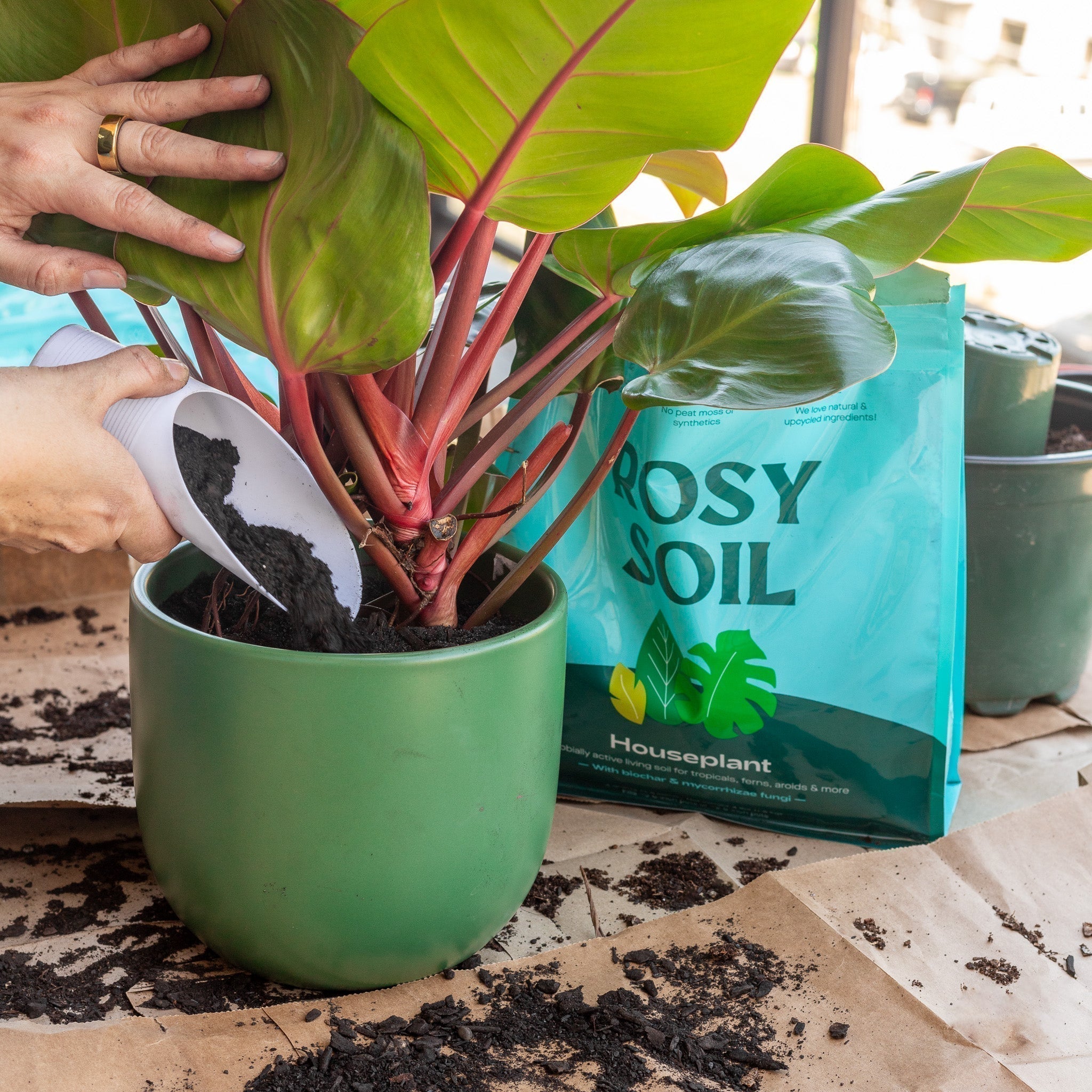
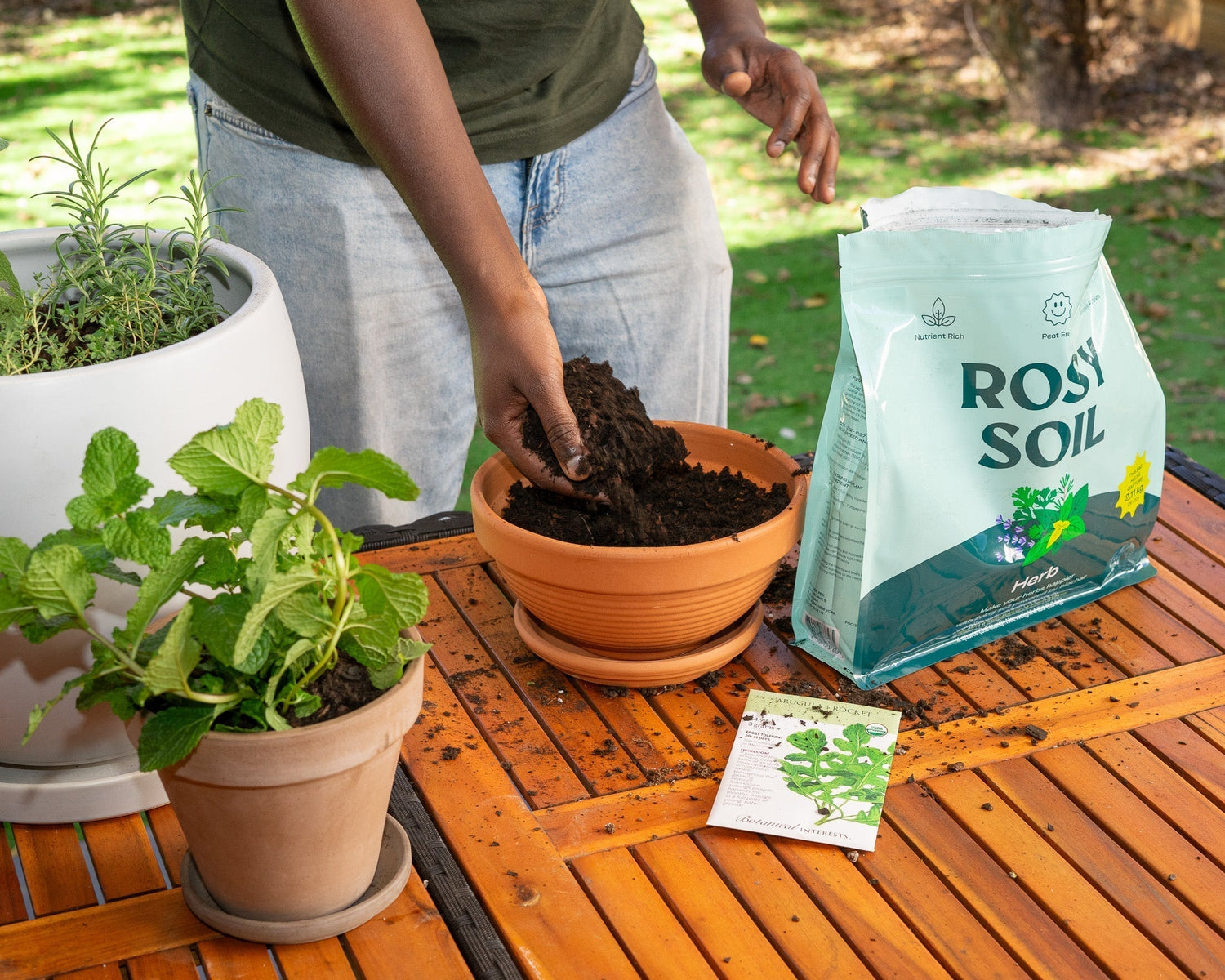
💡 Pro Tip: Use a seed-starting mix with fine texture and good moisture balance. Herb potting soil by Rosy is perfect for this, compost-rich, biochar-boosted, and totally peat-free.
Zones 3–5 (Colder Climates):
Start indoors only in Feb–Mar. Focus on long-season crops:
-
Tomatoes, peppers, eggplant
-
Onions from seed
-
Herbs: basil, parsley, thyme
-
Broccoli, cabbage, cauliflower
Direct sow outdoors: not yet, wait until April/May.
Zones 6–7 (Cool Temperate):
Start indoors:
-
All herbs
-
Tomatoes, peppers
-
Brassicas (broccoli, kale, cauliflower)
Can direct sow in late Feb/early March (cold-tolerant only):
-
Spinach
-
Peas
-
Lettuce
-
Radishes
-
Carrots (with protection)
Zones 8–9 (Warm-Moderate):
Start indoors or outdoors depending on frost risk.
Direct sow now:
-
Carrots
-
Beets
-
Kale
-
Swiss chard
-
Cilantro
-
Arugula
-
Turnips
Start indoors:
-
Tomatoes, peppers
-
Basil, oregano
-
Eggplant
Zones 10–11 (Very Warm Climates):
You're in year-round growing country (lucky you)
Start or sow directly:
-
Squash
-
Beans
-
Cucumbers
-
Corn
-
Herbs
-
Peppers
Be mindful of heat rather than cold. Shade cloths and moisture retention matter more in late spring.
Light, Soil & Water: The Seed Starting Trio
To succeed with seeds, it’s not just what you plant, it’s how.
1. Light
-
Most seeds need 12–16 hours of light a day to germinate well.
-
If you don’t have a sunny south-facing window, use a grow light. LED strips or clip-on lights work great.
-
Keep lights 2–4" above seedlings and raise them as your plants grow.
2. Soil
-
Use a fine, light organic herb potting soil that’s loose and moisture-retentive (not a heavy potting mix). Adding biochar for plants helps boost soil health and supports beneficial microbial activity for stronger growth.
-
Look for something:
-
Peat-free
-
Low odor
-
Biochar-enriched for microbe support
-
Compost-based for nutrients
-
3. Moisture
-
Seeds like to be kept evenly moist but not soggy.
-
Cover trays with a humidity dome or plastic wrap until germination.
-
Water from the bottom or mist gently to avoid displacing seeds.
Seed Starting Checklist
Here’s what you’ll need:
-
Seed trays or small containers
-
Herb Soil or other seed-starting mix
-
Spray bottle or gentle watering can
-
Grow light (optional, but very helpful)
-
Seeds! (Check zone-specific varieties)
-
Labeling stakes or tape
-
Patience
Final Thoughts: Why Start Seeds Early?
Starting seeds in February and March helps you:
-
Grow healthier plants with stronger roots
-
Save money (more seedlings, fewer store-bought plants)
-
Get a longer growing season, especially for herbs and tomatoes
-
Experience the full joy of watching something grow 🌿
No space? No problem. A windowsill, a pot, and a little light are all you need.
FAQs
1. What is the best soil for herbs when starting seeds?
When starting seeds, the best soil for herbs is a light, organic mix that holds moisture without becoming compacted. A biochar-enriched herb potting soil helps improve aeration and promotes healthy root growth.
2. Can I use organic garden soil for starting seeds indoors?
Yes, you can use organic garden soil for starting seeds, but make sure it’s finely textured and well-draining. For herbs and vegetables, it’s best to mix them with compost or a biochar for plants blend to improve nutrient retention.
3. What makes a good soil for herbs?
A good soil for herbs should be rich in organic matter, peat-free, and balanced in moisture. Look for organic soil ingredients like compost, worm castings, and biochar that create a healthy environment for roots and beneficial microbes.