Most plant parents think of fall as a slowdown. Less growth, shorter days, maybe a plant or two coming back in from the patio. But underground, in the pot, fall is actually a pretty active season, and what's happening down there says a lot about which soil is built to handle it.
Your Plant Slows Down. The Soil Still Has Work to Do.
As light and temperatures drop, most houseplants shift out of active growth mode. That's normal, it happens every year, and it's not a sign anything's wrong. But the soil doesn't get to take the season off.
Roots are still absorbing whatever water and nutrients they can reach, just more slowly. And the microbes living in the soil, the ones responsible for breaking down organic matter and making nutrients available in the first place, are sensitive to that same temperature shift. Cooler soil means slower microbial activity, which means a mix that was already struggling to hold structure has even less going for it heading into the plant's quietest stretch of the year.
This is where soil quality either helps or gets in the way.
Why Structure Matters More Than Ever Right Now
Soil that's compacted from a summer of watering doesn't drain well, and it doesn't breathe well either. That's a problem any time of year, but it's a bigger one in fall, when a plant's roots are already working with less energy. Waterlogged, oxygen-starved roots on top of a natural seasonal slowdown is a rough combination.
Biochar helps here in a pretty simple way. It's a porous, charcoal-like material added to the soil, and that porous structure gives roots room to breathe even as the mix holds onto water and nutrients longer than a denser, plain potting soil would. It also gives beneficial microbes a place to live, which matters even more when their activity is already slowing with the season.
None of this requires anything extra from you. It's just what the soil is built to do.
Already happy with your soil, just want to boost it? Biochar Booster is an amendment you can mix straight into your existing potting soil to add that same porous structure and microbial support without a full repot.
What This Means for You
If a plant's growth has stalled, or a leaf or two has gone yellow since the weather turned, it's easy to assume something's broken. Often, it's just the season. But if it's been more than a year since a plant's soil was refreshed, fall is a reasonable time to check.
A few things worth looking at:
- Drainage. Water should move through the pot at a steady pace, not sit on top or rush straight through.
- Texture. Soil that's dense and hard to work with has usually lost the structure it started with.
- Root crowding. If roots are circling the bottom of the pot, that's worth addressing before the plant goes fully dormant, not after.
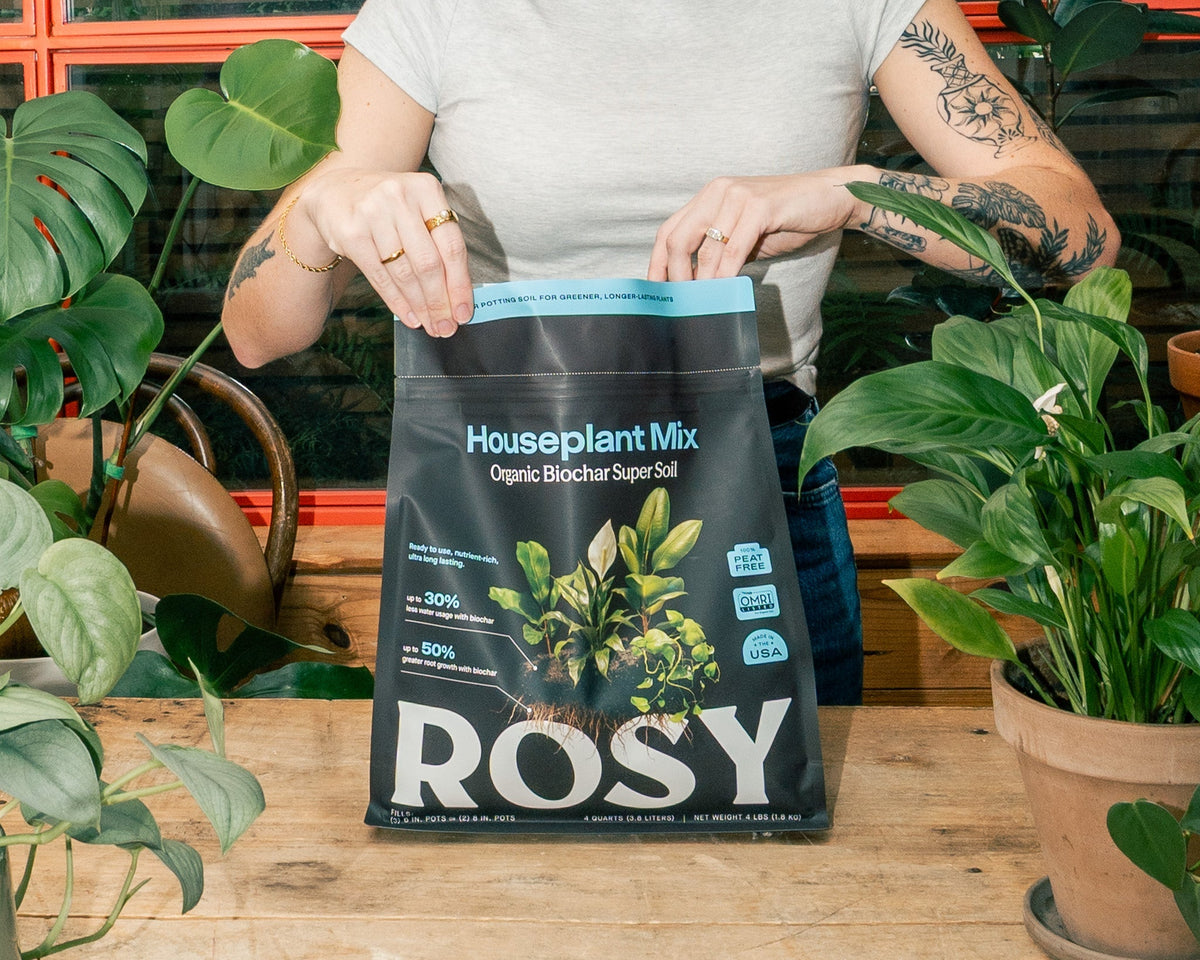
If it's time for a full repot, Houseplant Soil is built with that porous, biochar structure from the start, so roots get good drainage and airflow right out of the bag.
None of these mean a plant is in trouble. They're just the kind of things worth a look before winter sets in, when a plant has the least energy to work around a problem in its soil.
The Short Version
Fall isn't a pause button for what's happening in the pot. It's a season where soil quality quietly matters more. Biochar-powered soil is built to hold up through that shift, staying loose and breathable even as everything else slows down.
If you're not sure whether your plant's soil needs a refresh, the checklist above is a good place to start.
Multiple plants due for a refresh? The Plant Parent Bundle lets you mix and match soils, and the more you add, the more you save.