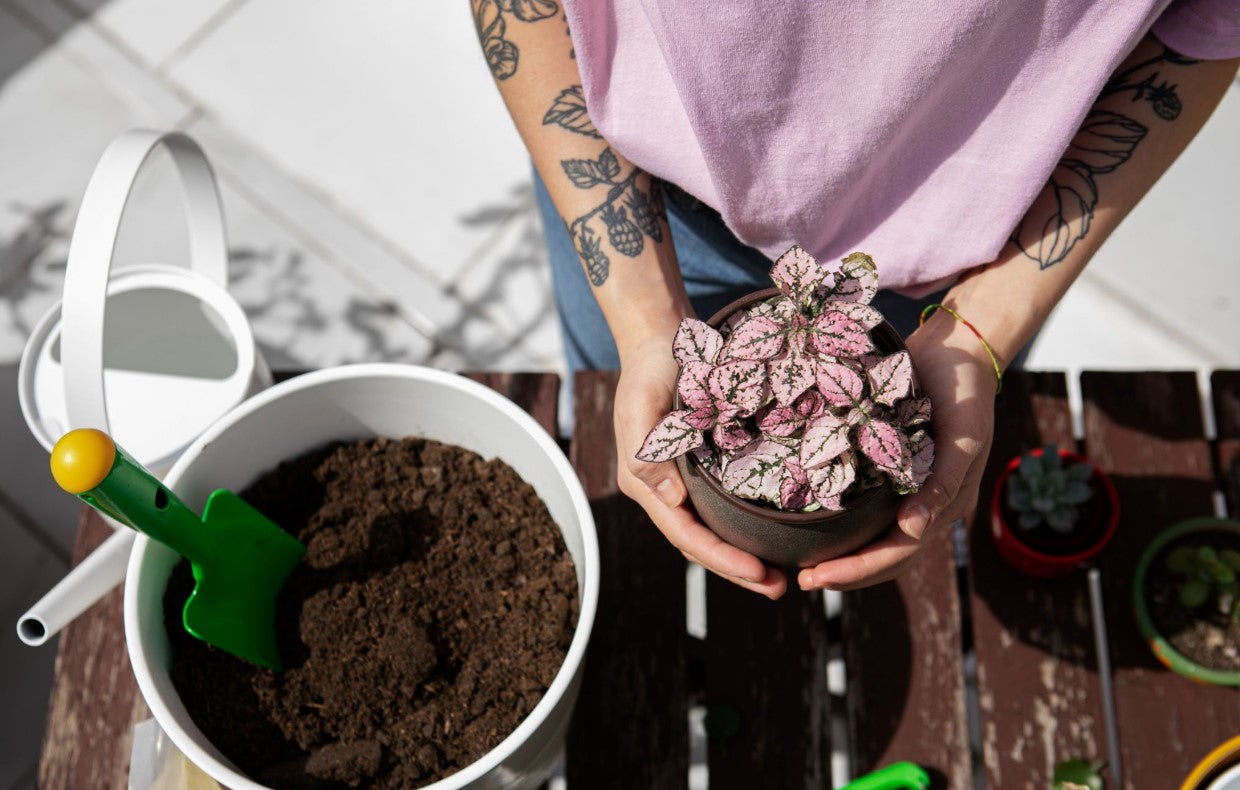
So, have you noticed your plant is rootbound, sitting in soggy soil, and not thriving the way it used to? You know it's time to repot. You grab a bag of soil from the store, move your plant over, and wait.
But a few weeks later? Still no new growth. Maybe even some yellowing leaves. Here's the thing most people don't realize: the problem wasn't the repotting. It was the soil.
Not all repotting soil is created equal. And when you understand what separates a good mix from a mediocre one, you will never go back to grabbing whatever's cheapest off the shelf. Whether you are a new plant parent or someone with a full-on indoor jungle, this comprehensive guide will give you the best solutions.
What Most Cheap Repotting Soils Are Actually Made Of
Walk into any big box store and flip over a bag of generic potting mix. Chances are, the first ingredient is peat moss, and that's already a red flag.
Peat moss has been a go-to filler in commercial soil mixes since the 1960s. It's cheap and widely available, but it comes with real downsides that plant parents often discover the hard way.
For starters, peat compacts over time. What starts as a light, airy mix slowly turns dense and hard, cutting off airflow to your plant's roots. When peat dries out completely, it turns hydrophobic, meaning it actually starts to repel water instead of absorbing it. So you end up overwatering, trying to get moisture down to the roots, which ironically leads to root rot. And if that wasn't enough, peat is harvested from ancient wetland bogs that store massive amounts of carbon. Once those bogs are dug up, they are gone for thousands of years.
There's also the nutritional side. Peat moss is naturally very low in nutrients and has antimicrobial properties, which means beneficial soil microbes don't thrive in peat-heavy mixes. The result? Slower decomposition, slower nutrient release, and a soil that slowly becomes a nutritional desert. Many cheap mixes also throw in synthetic fertilizers for a quick boost, but those fade fast, leaving the soil empty after a few months.
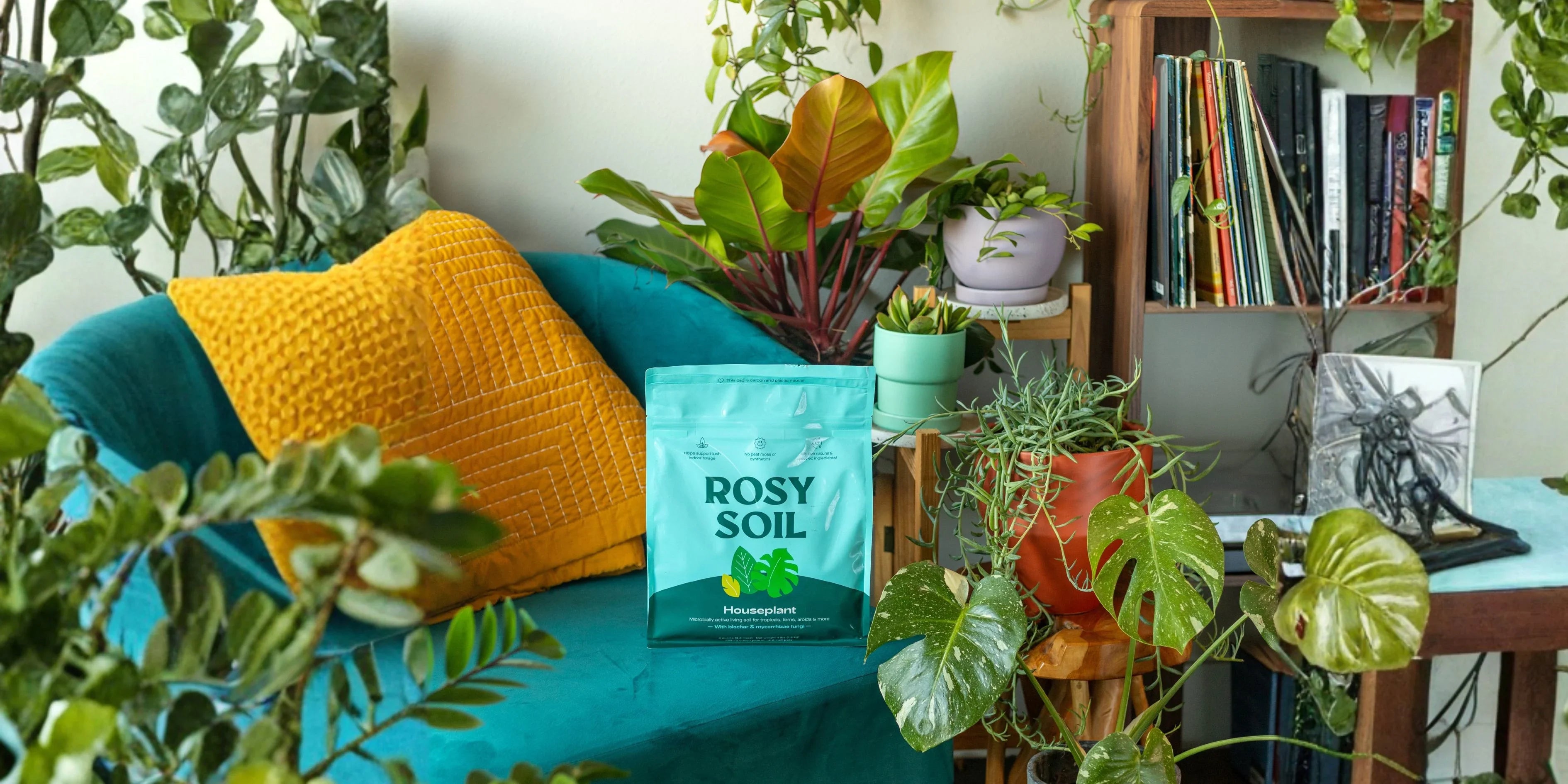
Rosy Soil was built to be the exact opposite of all this. Every mix is 100% peat-free, on purpose, and always will be. Instead of peat, we use ingredients like biochar, worm castings, compost, and mycorrhizae that actually improve over time rather than breaking dow
The best soil for indoor plants doesn't just fill a pot; it feeds your plant slowly, keeps roots breathing, and builds a better environment with every watering.
The 4 Ingredients That Make a Repotting Soil Work
Good repotting soil for indoor plants isn't complicated, but it does need the right building blocks. Here's what to look for on the label while shopping for soil for indoor plants:
1. Biochar
Biochar is essentially horticultural charcoal, wood, or plant waste that's been heated at high temperatures in a low-oxygen environment. The result is a highly porous material that acts almost like a sponge inside your soil.
What does it actually do for your plant?
-
It holds onto nutrients so they don't wash away every time you water
-
It creates tiny pockets where beneficial microbes can live and multiply
-
It improves drainage without drying the soil out too fast
-
It stores carbon instead of releasing it into the atmosphere
That last point matters more than you might think. Most repotting soils actually contribute to carbon emissions during production. Biochar does the opposite; it locks carbon into the soil for hundreds of years. It's one of the reasons Rosy Soil's indoor potting mix is carbon-negative, not just carbon-neutral.
For plant parents, the practical benefit is simple: biochar means better drainage, better nutrient retention, and soil that doesn't break down and compact the way peat does.
You can shop Rosy Soil's Biochar Booster here to add it directly to any existing mix.
2. Mycorrhizae (Mycos)
This one sounds scientific, but the concept is pretty intuitive once you understand it.
Mycorrhizae are beneficial fungi that form a relationship with your plant's roots. They extend outward from the root tips like tiny threads, dramatically increasing the surface area your plant can use to pull in water and nutrients. In exchange, your plant feeds the fungi with sugars.
It's one of the oldest partnerships in nature; most plants evolved alongside mycorrhizae. But when you repot using sterile, synthetic soil, there's nothing there for your plant's roots to connect with.
Adding mycorrhizae to your repotting soil means:
-
Roots establish faster after repotting (less transplant shock)
-
Plants absorb more nutrients from whatever's in the soil
-
Your plant becomes more resilient to drought and stress
This is especially helpful right after a repot, when your plant is already adjusting to a new environment. The mycorrhizae help it settle in and start growing again faster.
3. Worm Castings
If biochar is the structure and mycorrhiza are the connectors, worm castings are the food.
Worm castings are essentially worm waste, and they are incredibly nutrient-rich. They contain nitrogen, phosphorus, potassium, and a range of trace minerals in a form that plants can absorb slowly and steadily over time. Unlike synthetic fertilizers, there's no risk of burning your plant's roots. It's a gentle, consistent release of nutrition.
Worm castings also improve soil texture. They help the mix hold moisture without becoming waterlogged, which is that sweet spot every plant parent is chasing, soil that's moist but never soggy.
If you see worm castings listed in a repotting soil for indoor plants, that's a very good sign.
4. Compost and Pine Bark Fines
Good compost brings biological life to the soil, beneficial bacteria, enzymes, and organic matter that support the whole ecosystem happening underground. Pine bark fines (small pieces of bark) add structure, improve aeration, and break down slowly over time to keep the mix light and workable.
Together, these ingredients keep the soil from compacting, which means you won't need to repot purely because the soil has turned into a brick, only when your plant actually needs more space.
Why Different Plants Need Different Repotting Soil
Here's something a lot of beginners miss: not every plant wants the same mix, even if the core ingredients overlap.
Houseplants (Monstera, Pothos, Philodendrons, etc.)
Most common houseplants like fiddle leaf figs, ferns, and pothos do well in a balanced mix that holds some moisture but drains freely. Biochar, worm castings, compost, and mycorrhizae provide the right nutrients and support healthy growth. The Rosy Soil Indoor Potting Mix is built specifically for these popular houseplants and works as an excellent all-purpose potting soil without needing any amendments.
For plants like monstera and philodendrons, we recommend using an aroid mix, as they prefer extra aeration and drainage compared to standard houseplants.
Orchids
Orchids are a different story. In their natural habitat, most orchids grow attached to trees, not in soil at all. Their roots need serious airflow and fast drainage. A standard potting mix will suffocate them.
A good orchid potting mix for repotting is chunkier, often containing bark, pumice, or moss to keep roots airy and prevent sitting in moisture. If you are repotting an orchid, make sure you are using a mix made specifically for them. Rosy Soil's Orchid Mix is worth looking at; it's designed with those airy, fast-draining conditions in mind.
Cacti and Succulents
Cacti and succulents come from dry, sandy environments. They want their roots to dry out quickly between waterings. Using a standard repotting soil for these plants almost always leads to root rot, because the mix retains too much moisture for too long.
Cactus soil and potting mix blends for indoors are formulated with more grit, sand, and pumice to ensure water moves through fast. Succulent soil mixes work on the same principle. Rosy Soil's Cactus & Succulent Soil is a great option; it drains fast while still including the beneficial ingredients (like biochar and mycorrhiza) that help these plants absorb what they need.
Signs You Are Using the Wrong Repotting Soil
Sometimes the soil is the culprit, and you do not even realize it. Watch out for:
-
Water pooling on top and draining very slowly - the soil is too dense or compacted
-
Soil pulling away from the pot edges when dry - classic peat behavior, water is now bypassing the root zone
-
Yellowing leaves after repotting - could be transplant shock made worse by a low-quality mix without mycorrhizae
-
Roots sitting in wet soil for days - drainage is off, which is a fast track to root rot
-
No new growth weeks after repotting - the soil may not have the nutrients or microbial life to support recovery
These are all signs your plant isn't happy with what it's sitting in.
How to Choose the Best Repotting Soil for Your Indoor Plants
Here's a simple checklist to use next time you are shopping for repotting soil:
Look for:
-
Biochar (listed as horticultural charcoal or biochar)
-
Mycorrhizae or mycorrhizal fungi
-
Worm castings
-
Compost or plant-based organic matter
-
Perlite, pumice, or pine bark for aeration
Avoid:
-
Peat moss as the primary ingredient
-
Synthetic fertilizers (they fade fast and can burn roots)
-
Any mix that feels heavy, dense, or smells off
And always match the soil to the plant. A mix that's perfect for your monstera is not the right choice for your echeveria. Reading the label matters, and so does knowing your plant's natural environment.
If you want a trusted starting point, the Rosy Soil Indoor Potting Mix is one of the cleanest, most thoughtfully formulated repotting soil options for indoor plants out there. It's peat-free, made with biochar, worm castings, compost, mycorrhizae, and pine bark fines, no synthetic anything. The Rosy Soil indoor potting mix also happens to be carbon-negative, which is rare in this industry.
For those with cacti, succulents, or orchids, the Cactus & Succulent Soil and Orchid Mix are purpose-built for those plants specifically. No guessing, no amendments needed.
Conclusion
Repotting is one of the most impactful things you can do for your plants. But if the soil you're moving them into isn't good, you're not really giving them a fresh start; you are just moving them into a new problem.
The best soil for indoor plants does more than fill a pot. It feeds roots slowly, keeps the soil structure open and breathable, supports beneficial microbial life, and gives your plant the best possible environment to grow into.
So next time you are reaching for a bag of repotting soil, flip it over. Read the ingredients. Ask yourself if what's inside is actually going to help your plant, or just hold it in place.
Your Plants Will Thank You For It.
Explore Rosy Soil's full range of plant-specific mixes at rosysoil.com, including the Houseplant Soil, Cactus & Succulent Soil, Orchid Mix, and Aroid Soil. Shop the best repotting soil today!
About the Author:
Chad Massura is the founder and CEO of Rosy Soil. A lifelong gardener who grew up in the garden with his grandma in Chicago, Chad became obsessed with biochar and carbon capture while working in the food and impact space. When he learned that most potting soils are loaded with peat moss, an ingredient that’s terrible for the planet, he started blending biochar-based alternatives in his kitchen and testing them on every willing friend and family member he could find. Rosy Soil launched on Earth Day 2022. Chad is a self-confessed soil nerd, a serial plant experimenter, and a firm believer that good soil is the secret most plant parents are missing.