You water your plant on schedule. You give it plenty of light. But something still feels off; the leaves are drooping, growth has slowed down, or water just runs straight through the pot without soaking in. Sound familiar?
"Most of the time, the problem isn't you. It's the soil."
Old, compacted indoor plant soil stops doing its job over time. Roots run out of room, nutrients get depleted, and the mix becomes so dense that water and air can't move through it properly. The good news? A fresh round of potting soil for indoor plants can turn a struggling plant into a thriving one - fast.
Here are 6 clear signs your plant is crying out for new soil, and exactly what to do about it.
Why Potting Soil Matters
A lot of plant owners focus on watering schedules and lighting setups, and yes, those things matter. But the soil your plant sits in is where everything starts. It feeds the roots, manages moisture, and determines how well your plant can breathe.
Here's the thing: indoor potting soil doesn't last forever. Over time, the organic material breaks down, the texture changes, and what started as a light, airy mix turns into something dense and lifeless. Roots have nowhere to go, nutrients are long gone, and the soil can no longer drain the way it should.
Most houseplants need fresh repotting soil every 12 to 24 months. But your plant won't wait for a calendar reminder; it will show you when it's time.
Quick-Glance: The 6 Signs at a Glance

Here are 6 Signs Your Plant Needs Fresh Repotting Soil
Sign 1. Roots Are Peeking Out of the Drainage Holes
This is the most obvious sign. When you spot roots crawling out from the bottom of the pot, your plant has used up every bit of space it has. Roots grow toward water and air, so when they start escaping through the drainage holes, it means the soil inside the pot can no longer support them. It's time to repot into a slightly bigger container with fresh indoor potting mix.
Sign 2. Water Runs Straight Through Without Soaking In
When you water your plant, and it pours out of the bottom immediately, without the soil holding any moisture, your mix has likely become hydrophobic (water-repelling) or so compacted that water can't penetrate it. A quality well-draining potting soil should absorb water slowly and evenly, not let it slip through like a sieve. If this is happening, fresh soil with better structure is the fix.
Sign 3. Your Plant Has Stopped Growing
If your plant was growing steadily and suddenly seems stuck, the soil is often the culprit. Old indoor plant potting mix loses nutrients over time, especially after repeated watering leaches them out. Without nutrients, even a healthy-looking plant hits a wall. A fresh batch of nutrient-rich repotting soil for indoor plants can wake a stagnant plant right back up, sometimes within just a few weeks.
Sign 4. The Soil Is Pulling Away From the Pot Edges
See a visible gap between the soil and the inner walls of your pot? That's a sign your soil has dried out and shrunk significantly. When soil loses its structure like this, watering becomes uneven, and water just travels down the gap instead of reaching the roots. This happens most often with peat-heavy mixes that compact and shrink over time. A chunky potting soil for indoor plants with better structure, like bark and biochar, holds its form much longer.
Sign 5. Leaves Look Pale, Yellow, or Droopy
Yellow or pale leaves aren't always due to watering issues. Sometimes it's the soil. When roots are cramped or surrounded by depleted, compacted soil, they can't take up water or nutrients even when both are present. The plant still starves despite your best efforts. Repotting into fresh indoor potting soil gives roots the room and nourishment they need to recover, and you will usually see new healthy growth within a few weeks.
Sign 6. The Pot Feels Unusually Heavy (or Light)
This one is easy to overlook, but it's a good habit to pick up your pots occasionally and notice the weight. A pot that feels extremely heavy even when dry may have soil that's become too dense and waterlogged. One that feels very light, even right after watering, could mean the soil isn't holding moisture at all. Either way, the structure of the soil has broken down, and it's time to start fresh.
What Kind of Potting Soil Should You Use?
Not all potting mixes are made equal. Walk into any garden center and you'll find bags labeled "all-purpose potting soil", but most of those are made with peat moss, which compacts fast, holds too much moisture, and breaks down in a year or two. That's why so many plant owners find themselves repotting over and over.
What indoor plants actually need is a well-draining potting soil that stays loose over time, supports healthy roots, and comes with living nutrients already built in. Here's what to look for:
-
Biochar: Helps retain nutrients in the soil and hosts beneficial microbes that support root health. It also stores carbon, making it genuinely good for the environment.
-
Bark fines: Create a chunky potting soil texture that keeps the mix open and airy, so roots can breathe. This is especially important for tropical houseplants like monstera and philodendron.
-
Worm castings: A natural, slow-release source of nutrients that feeds your plant over time without burning the roots.
-
Mycorrhizae: Beneficial fungi that wrap around roots and help them absorb more water and nutrients. Think of them as a built-in support system for your plant.
-
Compost: Adds organic matter and structure while reducing waste. Good compost makes soil feel alive because it is.
Pro tip: Avoid any potting mix that lists synthetic fertilizers as a main ingredient. These can cause root burn and don't support the long-term soil health your plants need. Look for mixes that are peat-free, organic, and contain living ingredients like mycorrhizae and worm castings.
Meet the Soil Your Houseplants Have Been Waiting For
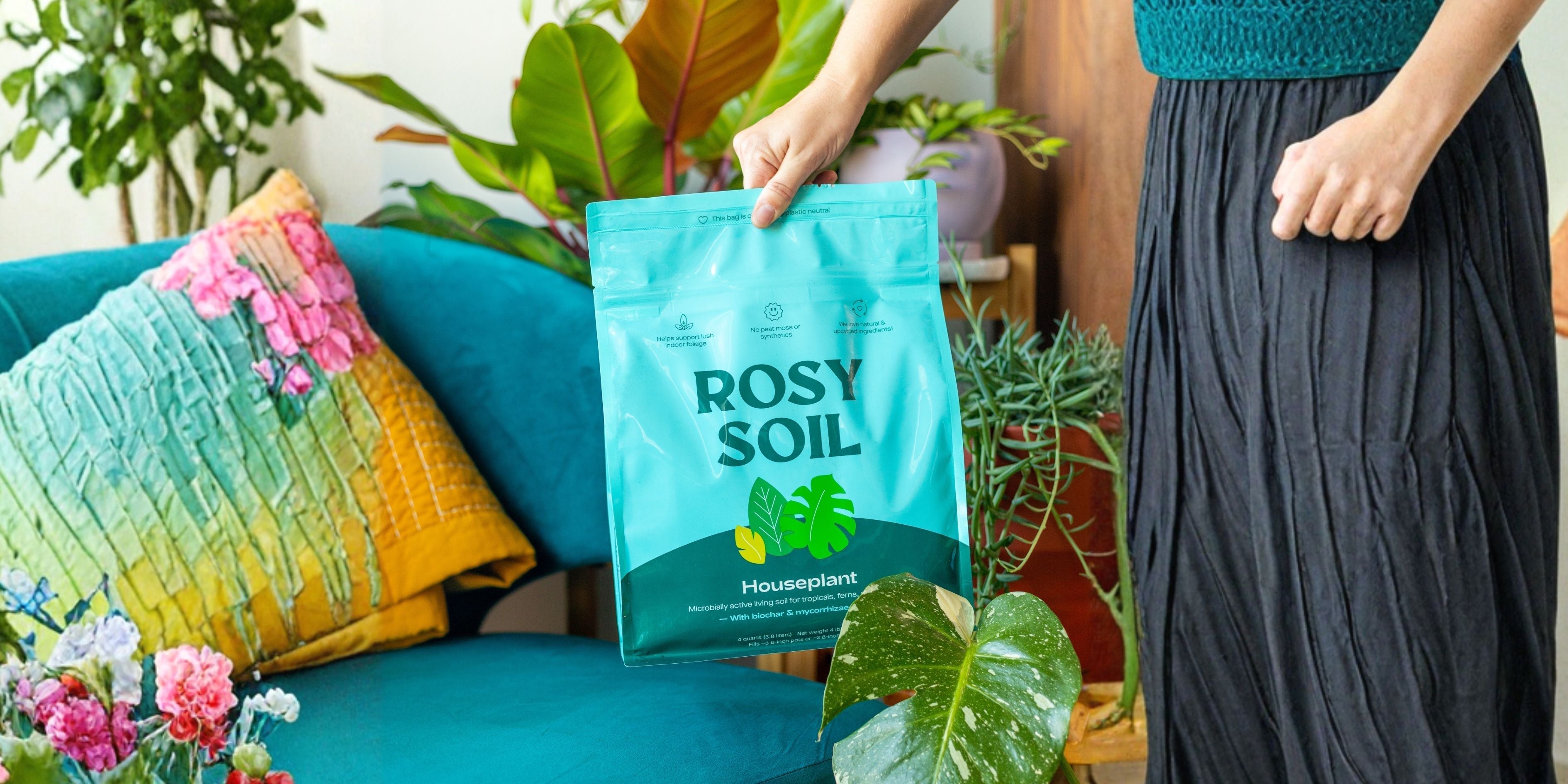
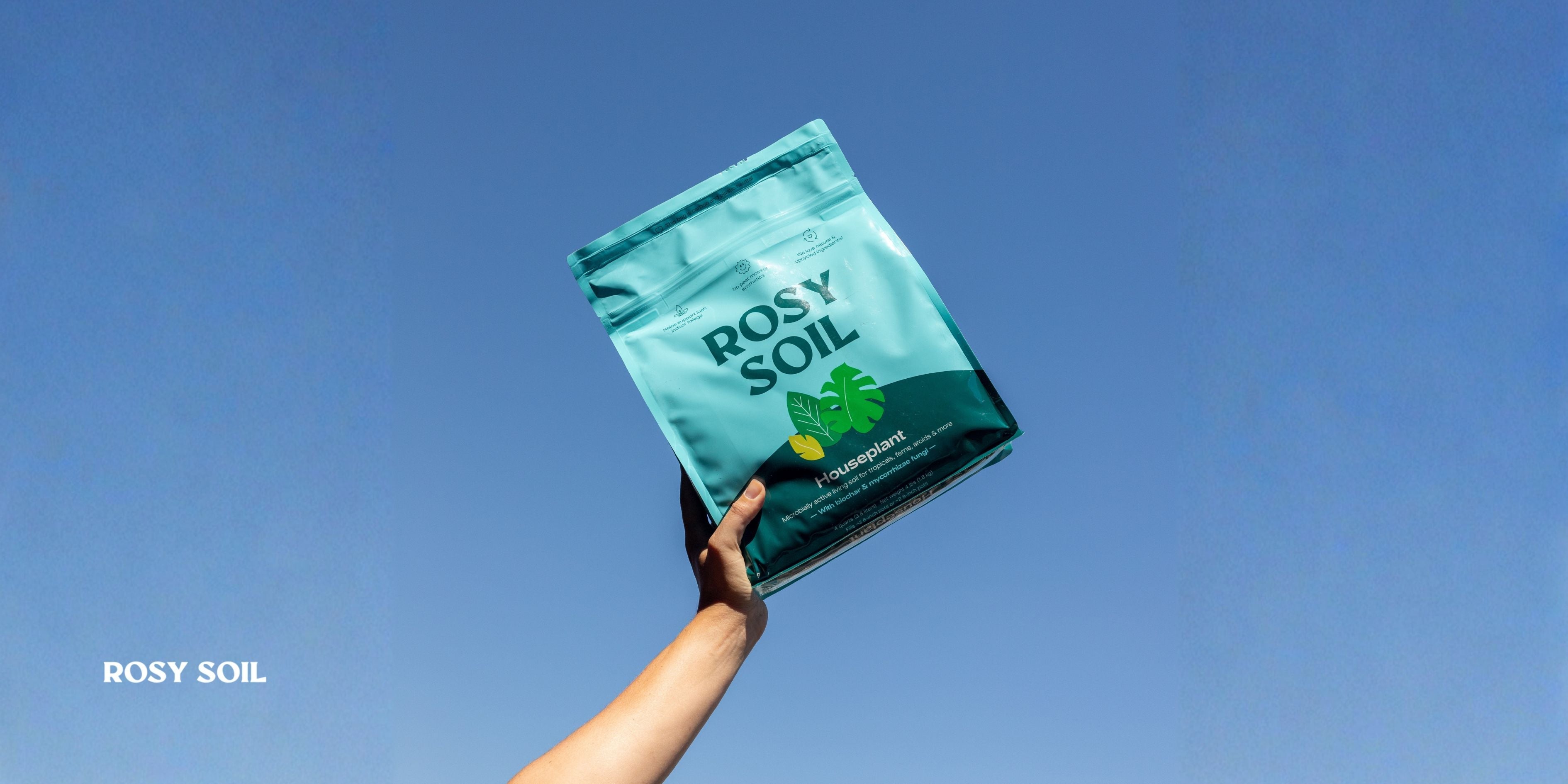
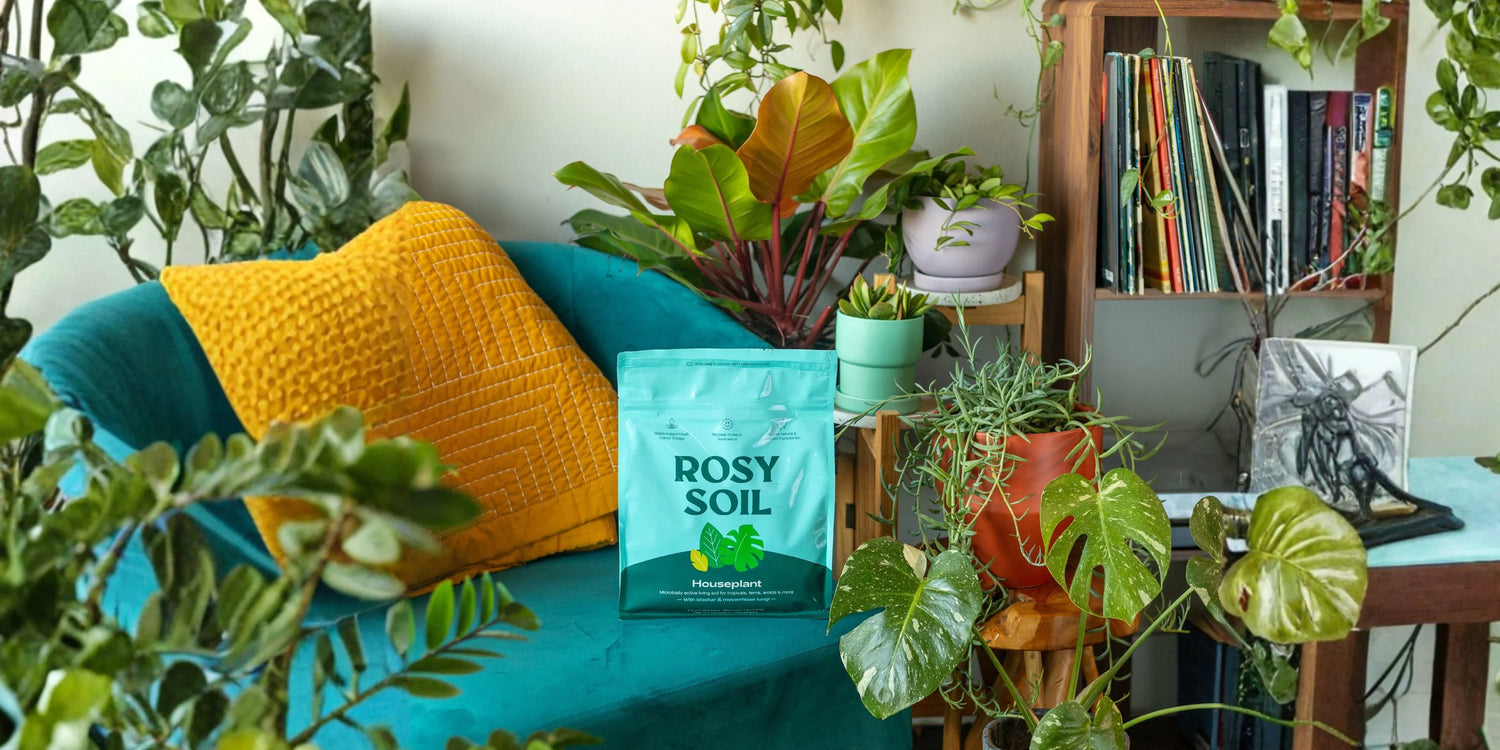
Our Houseplant Potting Mix is built with biochar, worm castings, mycorrhizae, and bark fines, no peat, no synthetics. It's nutrient-rich, well-draining, and designed to keep indoor plants happy for the long haul. Choose it today!
How to Repot Using Fresh Indoor Potting Soil (Step by Step)
Once you have confirmed your plant needs repotting, here's a simple process that works well for most common houseplants:
Step 1: Choose the right pot. Go up one size, only about 1 to 2 inches wider than the current pot. A pot that's too big holds too much moisture and can lead to root rot.
Step 2: Water your plant a day before repotting. Moist soil holds together better and makes it easier to slide the root ball out without damaging it.
Step 3: Gently remove the plant. Tip the pot sideways, support the base of the plant, and ease it out. Shake off the old soil and inspect the roots; trim any that look dark, mushy, or dead.
Step 4: Add a layer of fresh repotting soil to the new pot. Place the plant inside and fill around the roots with your new indoor plant potting mix. Tap the pot to settle the soil, don't pack it down; you want the soil to stay loose and airy.
Step 5: Water thoroughly and place in indirect light. Give it a good soak so the soil settles and moisture reaches the roots. Keep it out of direct sunlight for a week while it adjusts.
Best time to repot: Spring is ideal, plants are coming out of their slow winter period and ready to grow. But if your plant is showing distress signs, don't wait. Any time of year is better than leaving it in old, exhausted soil.
Also Read: A Step-by-Step Guide to Repotting Aloe Vera (+ 5 Best Practices)
Common Repotting Mistakes to Avoid
Even with the right repotting soil for indoor plants, a few common mistakes can set your plant back. Here's what to watch out for:
-
Using garden soil indoors. Garden soil is too heavy for pots and doesn't drain well. It also carries pests and pathogens that thrive when moisture is trapped. Always use a mix made specifically for indoor plants.
-
Going too big with the new pot. It's tempting to give your plant lots of room, but a pot that's much larger than the root ball holds excess moisture that roots can't use, and that leads to root rot.
-
Skipping the drainage check. Make sure your pot has drainage holes. No drainage = waterlogged soil = unhappy roots. If you love a decorative pot without holes, use it as a cache pot (a cover pot) and keep your plant in a plastic nursery pot inside it.
-
Repotting a stressed plant. If your plant is already wilting, give it a few days of good watering and indirect light to stabilize before repotting. Repotting adds some stress on its own; you want the plant to be stable before you do it.
Conclusion
Your plant cannot tell you it needs new soil, but it definitely shows you. Roots escaping the pot, stunted growth, water draining too fast, and yellowing leaves are all signals that the soil has run its course.
Switching to a fresh, high-quality repotting soil for indoor plants is often the single most impactful thing you can do for a struggling plant. Get the soil right, and everything else, watering, light, feeding, starts working better too.
Look for a well-draining potting soil that's peat-free, packed with organic ingredients, and built to last. Your plants will thank you for it.
Ready to Give Your Plant a Fresh Start? Our Indoor Potting Mix is peat-free, organic, and built with living ingredients that help your plants grow stronger, right from the first repot. Used by thousands of plant lovers and featured in Architectural Digest, Better Homes & Gardens, and more. Get Rosy Soil Houseplant Mix here!
Frequently Asked Questions
How often should I repot my indoor plants?
Most houseplants do well with fresh repotting soil every 12 to 24 months. Fast-growing plants like pothos or monstera may need it more often. Slow growers like ZZ plants or snake plants can usually wait 2 to 3 years.
Can I reuse old potting soil when repotting?
It's best not to. Old indoor plant soil has lost most of its nutrients and structure. Mixing a little old soil into compost is fine, but start fresh when repotting to give your plant the best possible environment.
What's the difference between regular potting soil and indoor potting mix?
Regular potting soil tends to be heavier and may contain peat, which compacts quickly. A quality indoor potting mix is formulated to be lighter, well-aerated, and better suited to the conditions inside a home, lower light, less air circulation, and pots with limited drainage.
What's wrong with peat-based potting soil?
Peat is harvested from ancient bogs, making it non-renewable and environmentally harmful. It also breaks down fast, compacts easily, and becomes hydrophobic when it dries out. Peat-free mixes made with compost, bark, and biochar are better for your plant and better for the planet. Learn about Rosy Soil's mission to replace peat!
About the Author:
Chad Massura is the founder and CEO of Rosy Soil. A lifelong gardener who grew up in the garden with his grandma in Chicago, Chad became obsessed with biochar and carbon capture while working in the food and impact space. When he learned that most potting soils are loaded with peat moss, an ingredient that’s terrible for the planet, he started blending biochar-based alternatives in his kitchen and testing them on every willing friend and family member he could find. Rosy Soil launched on Earth Day 2022. Chad is a self-confessed soil nerd, a serial plant experimenter, and a firm believer that good soil is the secret most plant parents are missing.