


Spring 2026
Your Plants Are Waking Up, Is Your Soil Ready?
Spring is peak repotting season. Give your houseplants, succulents, and herbs the living, organic soil they’ve been hungry for all winter, powered by carbon-negative biochar.


The Science of Spring
Spring Is When Everything Changes
As days grow longer and temperatures rise, your plants shift out of winter dormancy and enter their most active growth phase. This is the ideal window to repot, refresh soil, and set your plants up for a full season of thriving. Old depleted potting mixes lose structure, water retention, and nutrients over time. Spring repotting with Rosy Soil’s living soil gives roots fresh aeration, beneficial microbes, and slow-release nutrients right when plants need them most.
Whether you’re in Seattle, Austin, New York, or Miami - spring repotting season is now.
Spring Collection
The Right Soil for Every Plant
Scientifically crafted mixes for every type if plant - all organic, all peat-free, all powered by biochar.
Spring Across America
Spring Gardening In Your Region
Spring arrives differently depending on where you live. Here’s what your plants need right now - and how Rosy Soil helps.
Northeast
New York • Boston • Philadelphia • DC
Spring arrives late but intensely. Repot in March - April as temperatures stabilize. Your houseplants have been in low-light dormancy - biochar powered soil will trigger immediate new leaf growth.
Southeast
Miami • Atlanta • Charlotte • Tampa
You have a head start! Repotting season starts in February. High humidity means your soil needs excellent drainage - Rosy’s biochar and pumice based Aroid blend is perfect for your climate.
Midwest
Chicago • Minneapolis • Detroit • Columbus
Long winters mean your plants are especially hungry for nutrients. Wait until after the last frost to move your plants outside, but indoor repotting can start now. The worm castings in Rosy Soil will fuel rapid recovery.
South & Southwest
Austin • Dallas • Houston • Phoenix
Warm and dry - spring hits hard and fast here. Your succulents are already growing. Our Cactus & Succulent soil’s pumice-heavy formula is built exactly for your hot and dry conditions.
Pacific Coast
Los Angeles • San Francisco • Seattle • Portland
Year-round mild temps mean your plants rarely go dormant. Still, spring is when real growth spurts happen. LA and SF plant parents: now is the time to upsize your monsteras and pothos.
Mountain West
Denver • Salt Lake City • Boise • Albuquerque
High altitude and low humidity make soil dry out fast. Biochar’s moisture-retention properties are especially valuable here - Rosy’s formula helps soil hold water 2x longer than standard peat mixes.
What's Inside
Ingredients That Actually Work
No peat. No synthetics. No fillers. Just science-backed ingredients your plants love.

Biochar
Horticultural charcoal that increases nutrient retention, hosts beneficial microbes and sequesters carbon in the soil - making every bag carbon negative.

Mycorrhizae
Beneficial fungi that form a symbiotic relationship with plant roots, drastically increasing their ability to absorb water and nutrients.
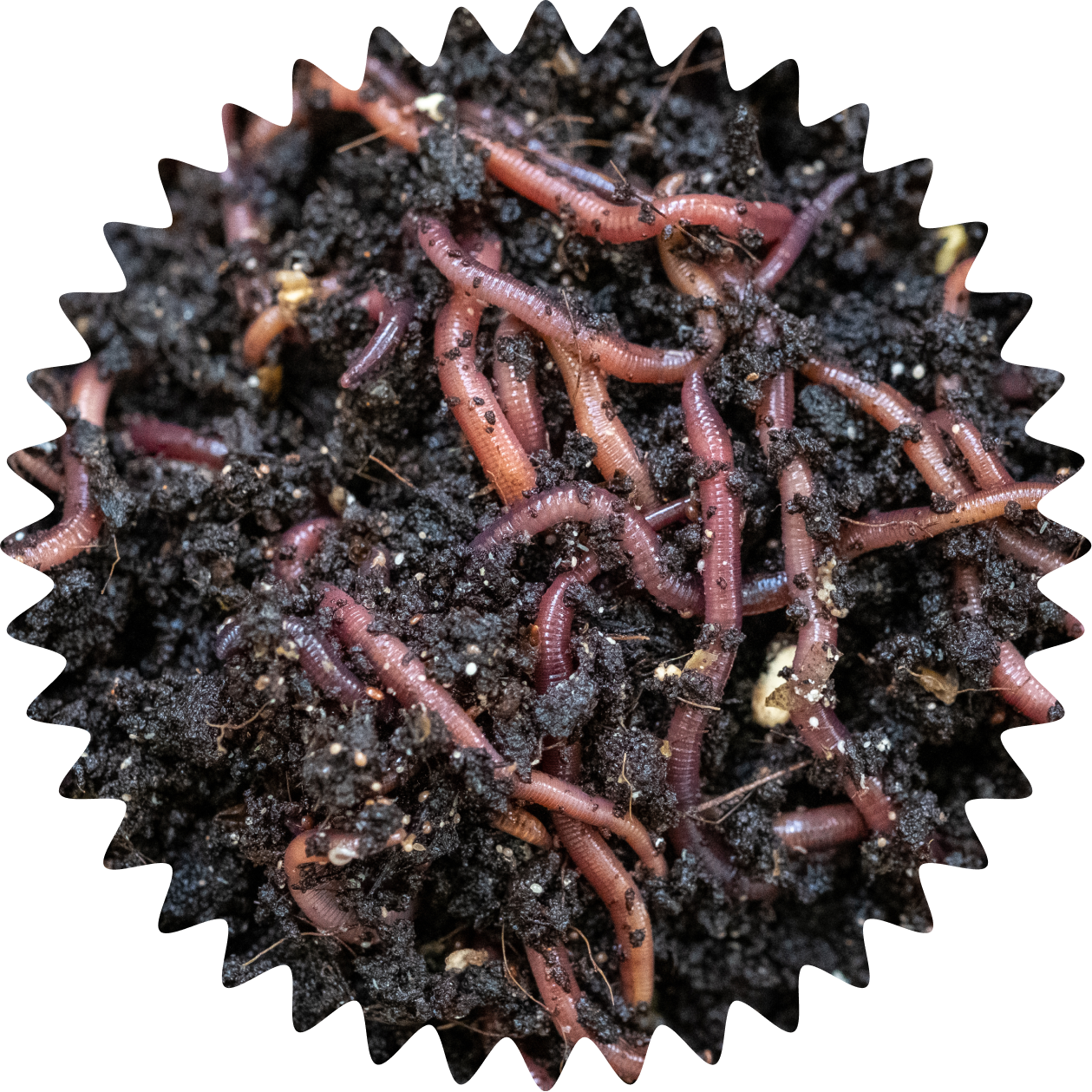
Worm Castings
Nutrient-dense organic matter produced by worms. Provides essential nitrogen, phosphorus, and potassium - nature’s perfect slow-release fertilizer.
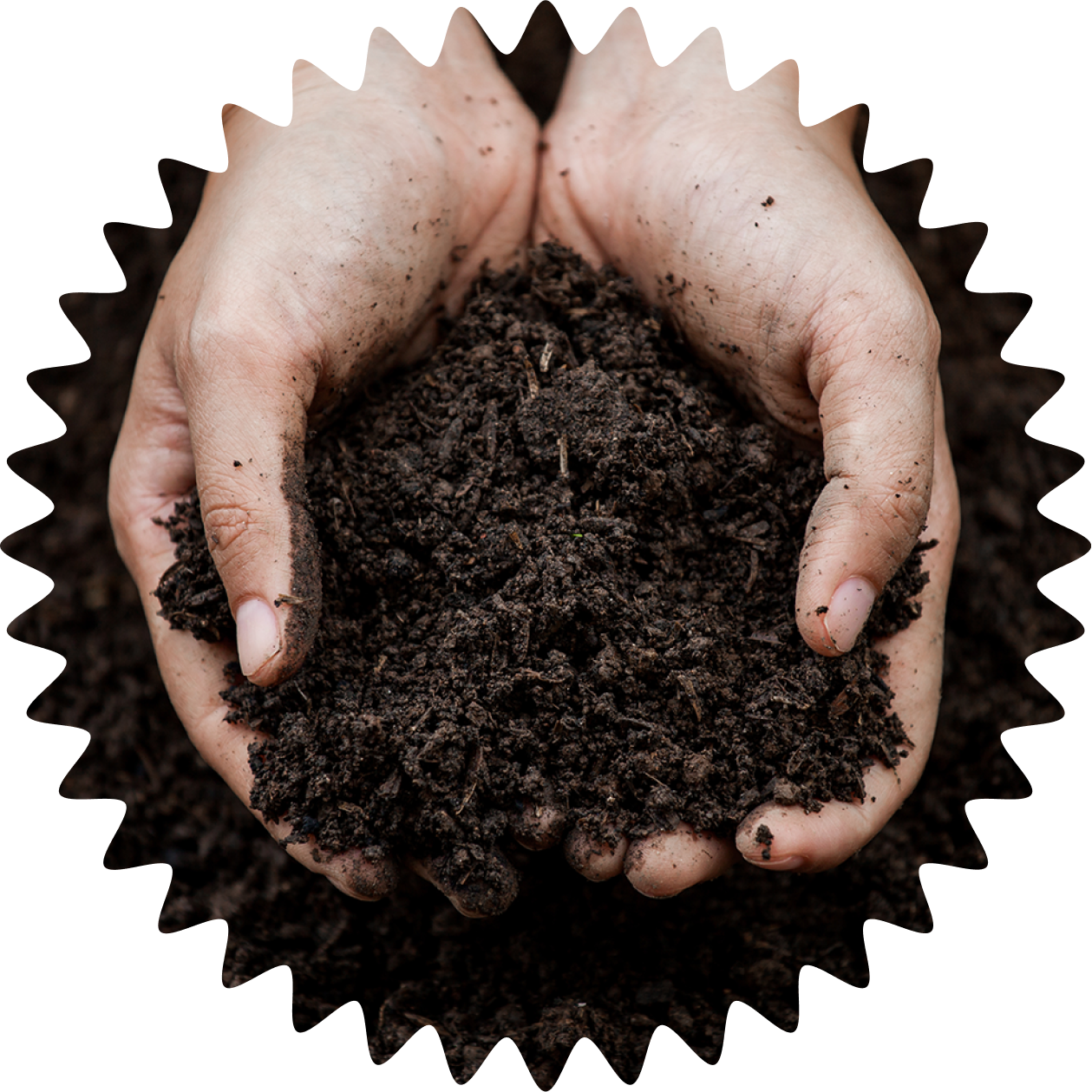
Compost
Turns green waste and wood waste into a rich source of plant nutrients while reducing landfill contributions
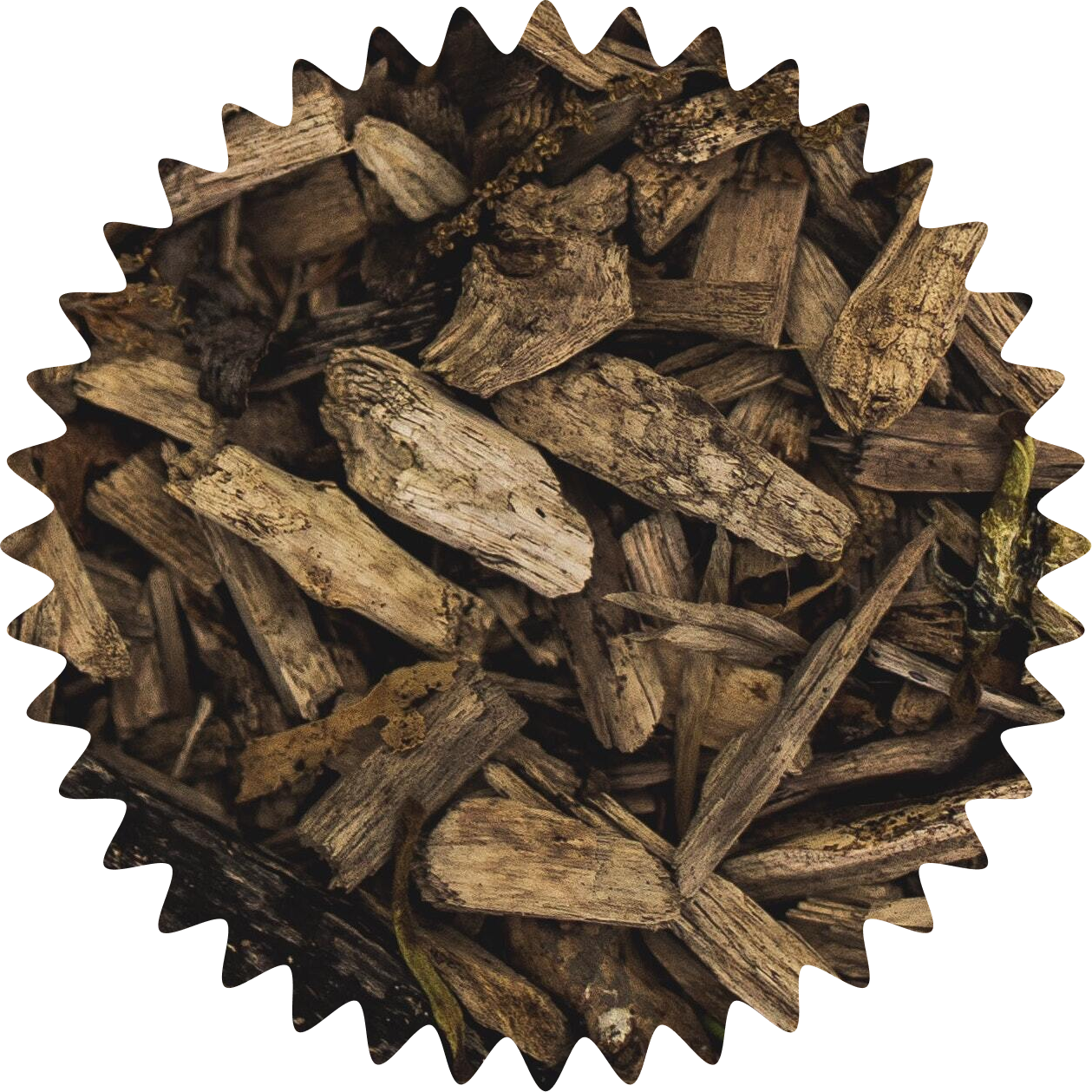
Bark Fines
A byproduct of the mulch industry that enhances soil structure, improvs aeration, and creates space for roots to breathe.

Sand
Has large grain size and coarse texture to support soil drainage.
What Plant Parents Have To Say
FAQ
Spring Repotting Questions Answered
When should I prepare my garden for spring in my area?
The best time to prepare your garden for spring depends on your local climate, but generally begins in late winter to early spring when the soil is no longer frozen or overly wet. If you're unsure, check when daytime temperatures consistently stay above 10°C (50°F). Preparing early allows your soil to rebuild nutrients and microbial activity before planting begins.
Not sure what your soil needs? Take the Rosy Soil quiz to get a personalized recommendation based on your location and plants.
How do I prep garden beds for spring planting?
If you're looking for how to prep garden beds for spring, follow these essential steps:
- Remove weeds and leftover plant debris
- Loosen compacted soil for better airflow
- Add compost or organic amendments
- Mix in biochar or nutrient-rich soil
Starting with high-quality organic garden soil improves drainage, root development, and long-term plant health.
When to plant for a spring garden?
Knowing when to plant for a spring garden depends on soil temperature more than the calendar. Most plants thrive when soil temperatures reach 50–60°F. Cool-season crops can be planted earlier, while others should wait until frost risk has passed.
Pro tip: Healthier soil warms up faster, giving you an earlier start to planting.
What is the best soil for spring gardening?
The best soil for spring gardening is a nutrient-rich, well-draining organic garden soil that supports both moisture retention and airflow. Look for soil that includes:
- Compost for nutrients
- Biochar for long-term soil health
- Natural inputs like worm castings
Using a premium amendment like Rosy Soil's Biochar Booster helps create a living soil ecosystem that supports plants all season long.
Can I use the same soil for garden beds and indoor plants?
Outdoor gardens and indoor plants have slightly different needs. Garden beds benefit from nutrient-dense organic garden soil, while indoor plants require lighter, well-draining potting soil.
That said, high-quality, biochar-enriched mixes can work across both environments—making them a versatile option for spring gardening and repotting.
What makes Rosy Soil different from regular potting soil?
Rosy’s indoor potting soil is all-natural, peat free, and made from biochar.
We’ve consciously sourced our ingredients not only because they’re great for your plants but also because they’re good for our planet.
Unlike traditional potting soil ingredients that are environmentally taxing, our biochar potting mix only contains natural and carbon-negative amendments.
Read additional information about Our Mission.
Can I buy Rosy Soil locally or only online?
You can shop Rosy Soil in-store and online. Use our Store Locator to find a location near you!
How does Rosy Soil help with climate change?
We use carbon-negative, organic ingredients to create the best indoor plant potting mix.
Typically, these organic materials are sent to a landfill, where they release methane and CO2 — two potent greenhouse gases. But by redirecting these organic materials from landfills and stabilizing their carbon structure, we prevent the release of those greenhouse gases.
Essentially, we turn our house plant soil into a carbon sink, which means it helps to remove CO2 from the atmosphere.
Discover more about what we mean by Earth Positive on Our Mission page.
This Spring, Give Your Plants What they Deserve
Living soil. Real science. Zero guilt. Whether you’re in New York, Los Angeles, or anywhere in between, your plants are ready to grow.
Are you?