If you have ever killed a plant with love (a.k.a. too much water) or watched one shrivel up despite your best efforts, the problem probably wasn't your watering can. It was your soil.
Most plant parents treat overwatering and underwatering like two separate problems with two separate fixes: water less, or water more. But both issues usually trace back to the same root cause. The texture of your houseplant soil determines how much moisture it holds, how fast it dries out, and how much oxygen actually reaches the roots. Get the texture wrong, and you can be watering "correctly" and still end up with root rot or crispy, dehydrated roots.
The good news: once you understand how texture works, choosing the best soil for houseplants stops being guesswork.
Why Soil Texture Is the Real Culprit Behind Overwatering and Underwatering
Every houseplant potting soil is built around a mix of ingredients - bark, biochar, compost, worm castings - and the size of those particles determines how the whole mix behaves. Chunky mixes use larger pieces with bigger air gaps between them. Fine mixes use smaller pieces that pack closer together, holding more moisture and offering less airflow.
This single variable affects almost everything about how your plant grows:
- How fast the mix dries out between waterings
- How much oxygen reaches the root zone
- How easily roots can grip and spread through the material
- How prone the mix is to compacting or breaking down over time
Get the texture wrong for your specific plant, pot size, or watering habits, and you will end up fighting root rot, dry roots, or stunted growth - even if every other part of your care routine is perfect.
Chunky Houseplant Mix: Pros and Best Uses
A chunky houseplant mix, like Rosy Soil's Aroid Soil, uses larger pine bark fines mixed with ingredients like pumice and biocharfor extra structure and drainage. It's the standard choice for aroids and other tropical plants - think Monsteras, Philodendrons, and Pothos - because these plants are naturally adapted to grow with roots that dry out between waterings.
Advantages of a chunky mix:
- Excellent airflow, which reduces the risk of root rot
- Dries out faster, making it more forgiving for people who tend to overwater
- Mimics the loose, open conditions many tropical plants experience in the wild
- Works well in larger pots where drainage is naturally slower
This is exactly the texture problem an Aroid Mix is built to solve. Shop Rosy Soil's Aroid Soil and give your tropical plants the airflow they're craving.
The trade-off: a chunky soil mix for indoor plants dries out quickly, which means more frequent watering, especially in dry indoor air or smaller pots. If you're forgetful with watering, a fully chunky mix can leave roots dehydrated.
Fine Houseplant Mix: Pros and Best Uses
A finer houseplant potting mix uses smaller particles blended with biochar, compost, and mycorrhizae to hold moisture for longer while still supporting root health. This texture works well for plants with finer root systems or lower drought tolerance, and it's often recommended for beginners because it buys more time between waterings.
Advantages of a fine mix:
- Retains moisture longer, reducing watering frequency
- Better suited for smaller pots that dry out fast
- Can support finer, more delicate root systems
- More forgiving for underwatering
The trade-off: a fine mix retains moisture longer, which reduces airflow and increases the risk of root rot if you're watering on a chunky-mix schedule. This is one of the most common mistakes people make when repotting - using a finer mix but watering as if it were chunky.
Also Read: Biggest Houseplant Myth Plant Parents Still Believe (And It's About Soil)
Here's Why Texture Actually Fixes Overwatering and Underwatering
Texture determines the balance between moisture and oxygen at the root zone, and that balance is the single biggest factor in root health. Neither chunky nor fine mix is universally "better" - the right choice depends on your plant species, your pot, your climate, and your watering habits.
A good rule of thumb:
- Choose a chunky houseplant mix if you tend to overwater, live in a humid climate, or grow aroids like Monsteras, Philodendrons, or Pothos.
- Choose a finer mix if you tend to be underwater, live in a dry climate, or grow plants with finer root systems.
- Choose a well-balanced houseplant potting mix if you want a middle ground that supports drainage and moisture retention without forcing you to pick a side.
This is exactly why a well-formulated mix controls moisture: pine bark fines, biochar, mycorrhizae, worm castings, and compost, in careful proportions rather than relying on a single texture. Instead of forcing you to choose between "dries too fast" and "stays too wet," a thoughtfully engineered mix gives you both airflow and moisture retention in the same pot.
Not sure which texture your plant actually needs? Take our Soil Quiz and get matched to the right mix in under a minute.
How to Tell If Your Current Mix Has the Wrong Texture
If you're not sure whether your current setup is working, watch for these signs:
- Roots look shriveled or papery - your mix is likely too chunky or drying out too fast for your watering routine
- Roots look mushy, black, or smell sour - your mix is likely too fine or compacted, trapping moisture against the roots
- Water runs straight through without the mix absorbing any - your mix has broken down or lost structure
- Mix stays damp for more than a after watering - poor airflow, likely due to compaction or overly fine texture
Any of these signs typically means it's time to repot with a fresh mix suited to your plant's actual needs.
Repotting With the Right Texture
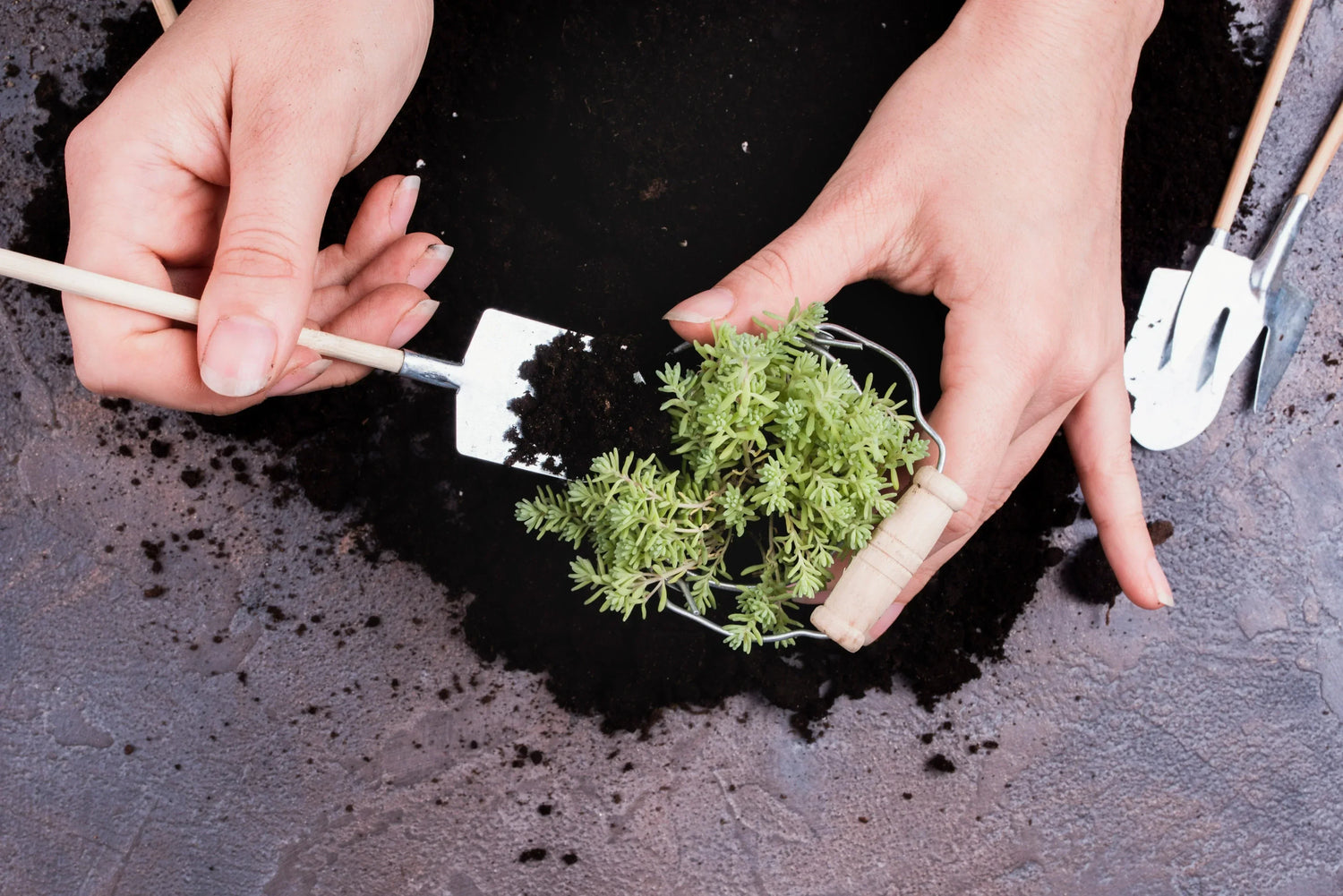
When you repot, texture should guide your entire approach - not just the mix you choose, but the pot size, watering schedule, and even where you place the plant. A good well draining soil for indoor plants takes the guesswork out of this by pairing the right particle size with complementary ingredients like biochar, mycorrhizae, and worm castings, so you are not left blending your own ratios by trial and error.
At Rosy Soil, our best houseplant soil options are built specifically around this balance - using pine bark fines alongside biochar, mycorrhizae, worm castings, compost, and diatomaceous earth to support airflow, nutrient retention, and pest protection without sacrificing moisture retention. Whether your plant needs the chunkier structure of our Aroid Soil or the finer, moisture-retentive texture of our Houseplant Soil, we've engineered each mix to work with your plant's roots, not against them.
Ready to stop guessing? Shop Rosy Soil's Houseplant Soil and Aroid Soil and find the right texture for your plant today.
Conclusion
Texture isn't a minor detail in houseplant potting soil - it's one of the core mechanics that determines whether your plant's roots stay healthy or start to struggle. A chunky mix favors airflow and drainage, which helps prevent overwatering. A fine mix favors moisture retention, which helps prevent underwatering. The best potting soil for houseplants depends on your plant type, climate, pot, and watering habits, and often, a well-balanced blend beats either extreme.
If your plant has been looking a little off lately, it might not be your watering schedule at all. It might simply be time to repot with a mix that actually matches your plant's needs.
Give your plant the right foundation. Shop our Houseplant Collection or take our Soil Quiz to find your best match.