


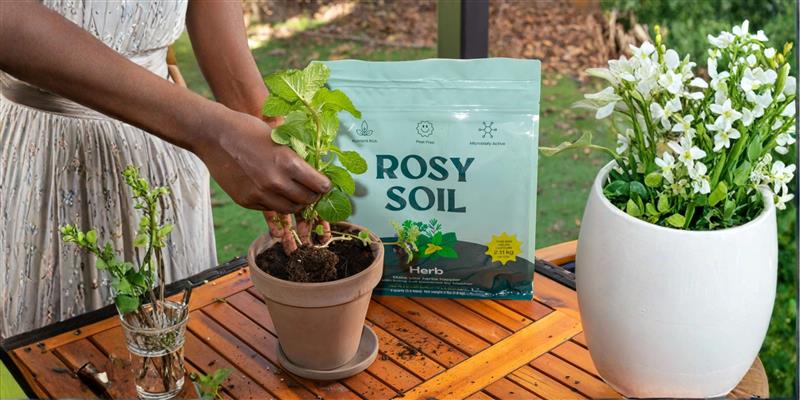
Growing fresh herbs at home is one of gardening's greatest joys. Whether you're snipping basil for tonight's pasta or harvesting rosemary for weekend meal prep, nothing beats the flavor of homegrown herbs. But here's the deal: the secret to thriving, aromatic herbs starts with what's beneath the surface - the soil.
But which soil is best for herbs? In this guide, let’s explore the best soil for herbs (both indoor and outdoor), why soil choice matters, and how to create an ideal growing environment for your favorite culinary plants.
Why Soil Matters for Herb Success?
Unlike houseplants, herbs have specific soil requirements that can make the difference between lackluster growth and a bountiful harvest. Most herbs are Mediterranean natives, such as basil, thyme, oregano, and rosemary, which means they evolved in rocky, fast-draining soil under plenty of sunshine.
Here's what that means for your herb garden:
-
Drainage is non-negotiable. Herbs despise sitting in waterlogged soil.
-
Nutrients matter, but not too much. Herbs don't need super-rich soil as vegetables do. In fact, overly fertile soil can reduce their essential oil content, making them less flavorful and aromatic. The goal is balanced nutrition, enough to support healthy growth without overwhelming the plant.
-
Airflow around roots is essential. Compact, dense soil suffocates herb roots. A well-aerated soil structure allows roots to breathe, access nutrients, and develop strong, healthy root systems.
What Soil Is Best for Herbs? Key Characteristics
When choosing or mixing soil for your herb garden, keep these essential characteristics in mind:
Well-Draining Structure
The foundation of the best soil for herbs is excellent drainage. A quality herb mix stays airy and structured using pine bark fines and other chunky, fibrous materials that create natural air pockets and resist compaction. When you water, excess moisture should drain through within minutes, not hours.
Light and Fluffy Texture
Dense, clay-heavy soil suffocates herb roots. The ideal texture feels light when you squeeze a handful; it should hold together briefly, then crumble easily. This structure allows roots to penetrate easily and access oxygen throughout the growing medium.
Slightly Acidic to Neutral pH
Most herbs thrive in soil with a pH between 6.0 and 7.0. Some herbs, such as lavender and rosemary, prefer slightly alkaline conditions (7.0-8.0), while others, such as parsley and cilantro, are more tolerant of acidic soils. The best organic soil for herbs in pots typically falls within the neutral range, accommodating most common herbs.
Moderate Organic Matter
While herbs don’t require nutrient-dense soil, some organic matter benefits overall soil health. Compost or aged manure at about 20-30% of the total mix provides slow-release nutrients and improves water retention without creating overly rich conditions.
Best Soil for Indoor Herbs vs. Outdoor Herbs
Growing Herbs Indoors
Indoor growing throws in some extra challenges. Your herbs are stuck in pots, probably sitting near a window, without natural rain or ground drainage to bail them out. Everything depends on that container and the soil inside it.
Drainage becomes important.
What actually works indoors:
-
Prioritize a well-draining planter setup – use a breathable pot, drainage holes, and a mix that won’t compact
-
Look for structure-building ingredients – pine bark fines help create air space and improve drainage
-
Keep it light and breathable – choose mixes that use recycled paper fiber for a fluffy, airy texture
-
Choose clean, indoor-friendly materials – indoor pests spread fast, so quality inputs matter
Quick reality check: Grab your potting mix after watering. Does it feel heavy and wet? Still damp four days later?
Mix in more pine bark to open up airflow, and consider adding a Rosy Soil Biochar Booster to improve structure and balance moisture without making the mix soggy. Your herbs will thank you.
Growing Herbs Outdoors
Outdoor herbs catch a break in some ways. Rain, wind, sun, and natural air circulation all work in your favor. But you still can't ignore the fundamentals.
Your outdoor soil needs to:
-
Drain fast after storms or watering sessions
-
Warm up quickly when spring hits (loose soil beats dense, compacted soil every time)
-
Stay loose through weather changes and temperature swings
-
Support the whole outdoor ecosystem of beneficial organisms—earthworms, microbes, all the good stuff
In-ground planting? You will probably need to improve your native soil. Mix in compost and add pine bark fines to loosen the texture, improve drainage, and keep roots oxygenated in every watering cycle.
For an extra performance boost, blend in our biochar booster to improve soil structure, support microbial activity, and help balance moisture, so roots stay hydrated without sitting in soggy soil.
The Rosy Soil Advantage: Why Biochar Changes Everything

We formulated our best soil for herbs after extensive testing, not just to create another generic potting mix.
Herbs are genuinely picky. They need fast drainage without drying out completely, balanced nutrition without overfeeding, and active microbial life without compacted soil. Getting that balance right requires thoughtful formulation.
The Biochar Difference
Biochar is a horticultural-grade charcoal designed to improve soil structure and performance.
It supports fast drainage without drying out roots. Biochar contains millions of microscopic pores that allow excess water to drain quickly while holding just enough moisture for consistent root hydration.
It helps nutrients stay available longer. Unlike perlite or sand, biochar actively holds nutrients and releases them slowly, improving feeding efficiency and reducing runoff.
It supports beneficial microbial life. The porous structure creates protected spaces where fungi and bacteria thrive, improving nutrient uptake and plant resilience over time.
Biochar gets top billing, but it works as part of a complete herb-focused blend that includes:
-
Mycorrhizal fungi to extend root systems and improve nutrient access
-
Worm castings for gentle, slow-release nutrition
-
Organic compost to support beneficial soil biology
-
Bark fines to keep the structure loose and airy
Our herb soil is peat-free, free from synthetic chemicals, and safe for pets, people, and the planet, while still outperforming conventional mixes.
Want to upgrade your soil? Check out Rosy Soil to order today!
5 Signs You Are Using the Wrong Soil for Your Herbs
Your herbs communicate problems pretty clearly if you know what to watch for. Here's what struggling soil looks like:
-
Water pools on the surface instead of soaking in
-
Yellow leaves appear despite proper light and watering
-
Soil remains wet for several days after watering
-
Growth stalls during the active growing season
-
Wilting occurs even when the soil feels moist
Spot any of these? Your soil needs an upgrade.
Common Soil Mistakes (We Have All Been There)
01. Using Garden Soil in Pots
This mistake usually occurs when you are new to container gardening. Soil is soil, right? Plants grow in dirt outside just fine!
Except that garden soil turns into concrete in pots. It compacts hard, water can't drain, air can't circulate, and roots essentially suffocate. Plus, you might be importing slugs, diseases, or weed seeds from your yard. Just use a potting mix. Your future self will thank you.
Forgetting Drainage Holes Exist
Perfect soil cannot fix a pot without drainage holes. Water needs an exit strategy. We know those decorative pots without holes are gorgeous, but use them as cache pots, grow your herbs in plastic nursery pots with drainage, then drop those inside the pretty ones.
Reusing Exhausted Soil Forever
Potting soil breaks down. It compacts, loses structure, and stops draining properly. After a year or two, it's just not working better.
If your herbs are not thriving like they used to, tired soil might be why. Either replace it completely or revive it by mixing in fresh compost, worm castings, and Rosy Soil’s Biochar Booster to restore structure, improve drainage, and support healthier microbial activity.
Treating Herbs Like They Are Vegetables
Vegetables want rich, fertile soil loaded with nutrients. Feed them heavily, and they will produce in amazing ways.
And herbs? Overfed herbs grow big, lush leaves that taste bland. What essential oils make rosemary smell amazing and basil taste incredible? Those develop best when herbs are growing in leaner soil with moderate nutrition.
Less fertilizer actually equals better flavor.
Never Checking pH
This problem often shows up even when watering and nutrients seem right.
Most herbs prefer soil between pH 6.0 and 7.0. Soil outside this range can lock up nutrients even when they are present.
How to Keep Your Herb Soil in Good Shape
Good soil doesn't maintain itself. A little bit of upkeep goes a long way.
Refresh annually. Either dump the old soil and start fresh, or mix in new compost to breathe life back into what's there.
Top-dress every few months. Sprinkle a thin layer of compost or worm castings on top of the soil. Water carries nutrients down to the roots gradually. Super gentle way to feed without overdoing it.
Don't overwater. Cannot stress this enough. Even with perfect drainage, too much water still kills herbs faster than anything else. Stick your finger in the soil before watering. Top inch dry? Water. Still damp? Wait.
Feed lightly. Balanced organic fertilizer at half strength during the growing season. That's it. Herbs need way less than you think. When you're unsure, underfeed rather than overfeed.
Check for compaction. If water starts pooling instead of soaking in, or the soil feels hard when you poke it, things are compacting. Time to add fresh soil or more drainage material.
Conclusion
Here's the reality with herbs: you can do everything else right, watering, sunlight, pruning, but the wrong soil will hold you back every time.
Fast drainage, balanced nutrition, and healthy soil biology are not optional. They are the foundation of successful herb growing.
Whether you choose a biochar-based mix like Rosy Soil or build your own blend, focus on drainage first, organic matter second, and beneficial microbes third. Get those right, and your herbs will reward you with stronger growth and better flavor.
Want to skip the trial-and-error phase? Check out Rosy Soil’s Herb Mix. The testing and balancing are already done for you.
Happy growing!
Frequently Asked Questions
Can I use succulent soil for herbs?
This totally depends on the herb. Succulent soil works great for rosemary, thyme, and other Mediterranean types that want super-fast drainage. But it's too gritty for basil or parsley; they will dry out too fast.
Do herbs need fertilizer if I'm using quality soil?
Absolutely yes. Good soil gives herbs a solid nutritional foundation, but those nutrients get used up. During the growing season, feed lightly with balanced organic fertilizer at half strength every 4-6 weeks. Remember, with herbs, less fertilizer actually means better flavor.
How often should I replace herb soil?
Every two years minimum. Annually is better if you want peak performance. Between replacements, you can extend soil life by working in fresh compost.
Is peat-free soil better for herbs?
Performance-wise? Peat-free mixes like Rosy Soil work just as well, often better. Environmental impact? Not even close, peat-free wins by a mile. Peat harvesting destroys wetlands that store massive amounts of carbon. Alternatives like biochar actually pull carbon out of the atmosphere.
What's the best soil for growing herbs from seed?
Start with seed-starting mix; it's finer-textured and sterile, which prevents damping-off disease. Once seedlings get their second set of real leaves, move them into regular herb soil for the long haul.