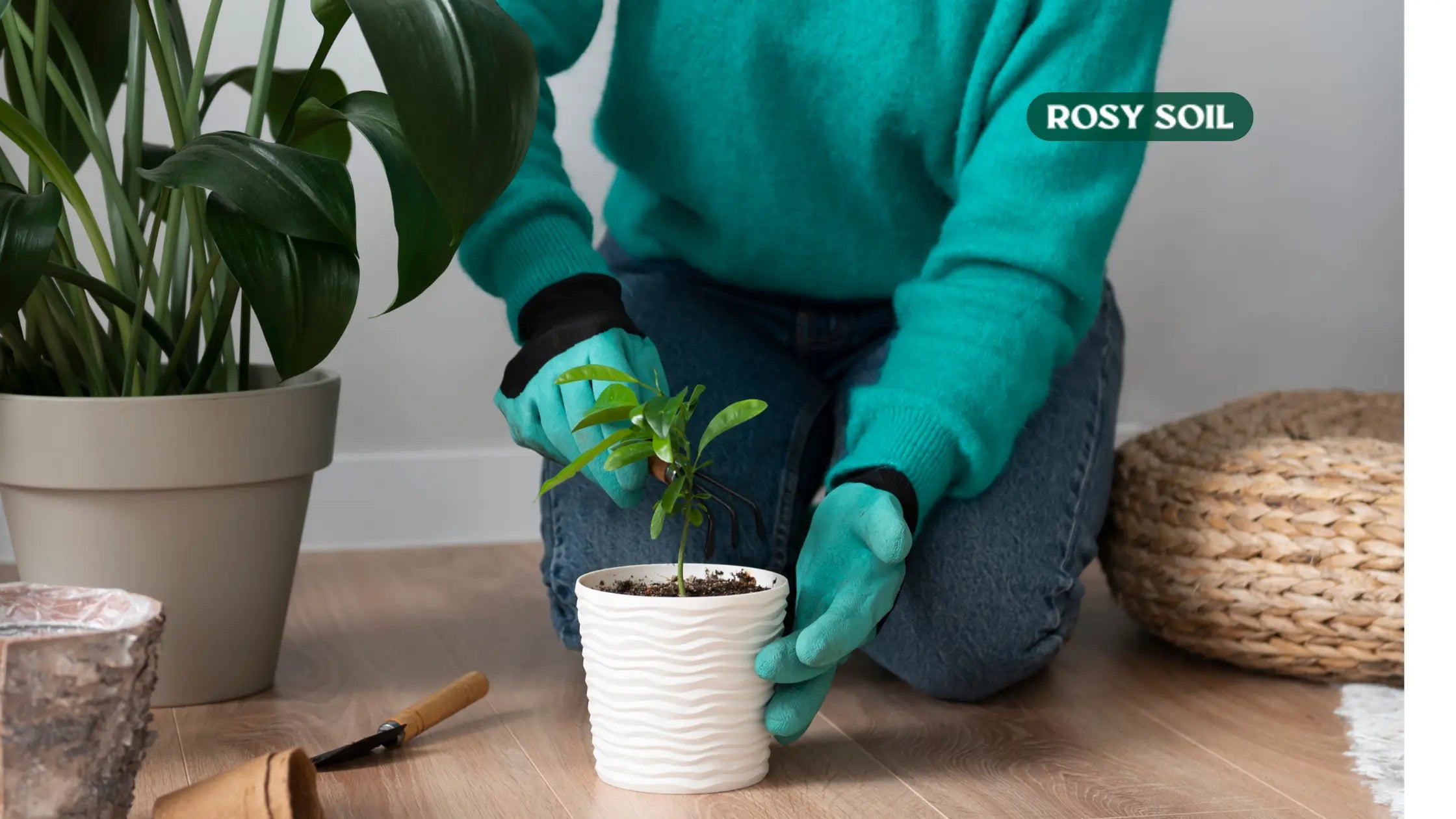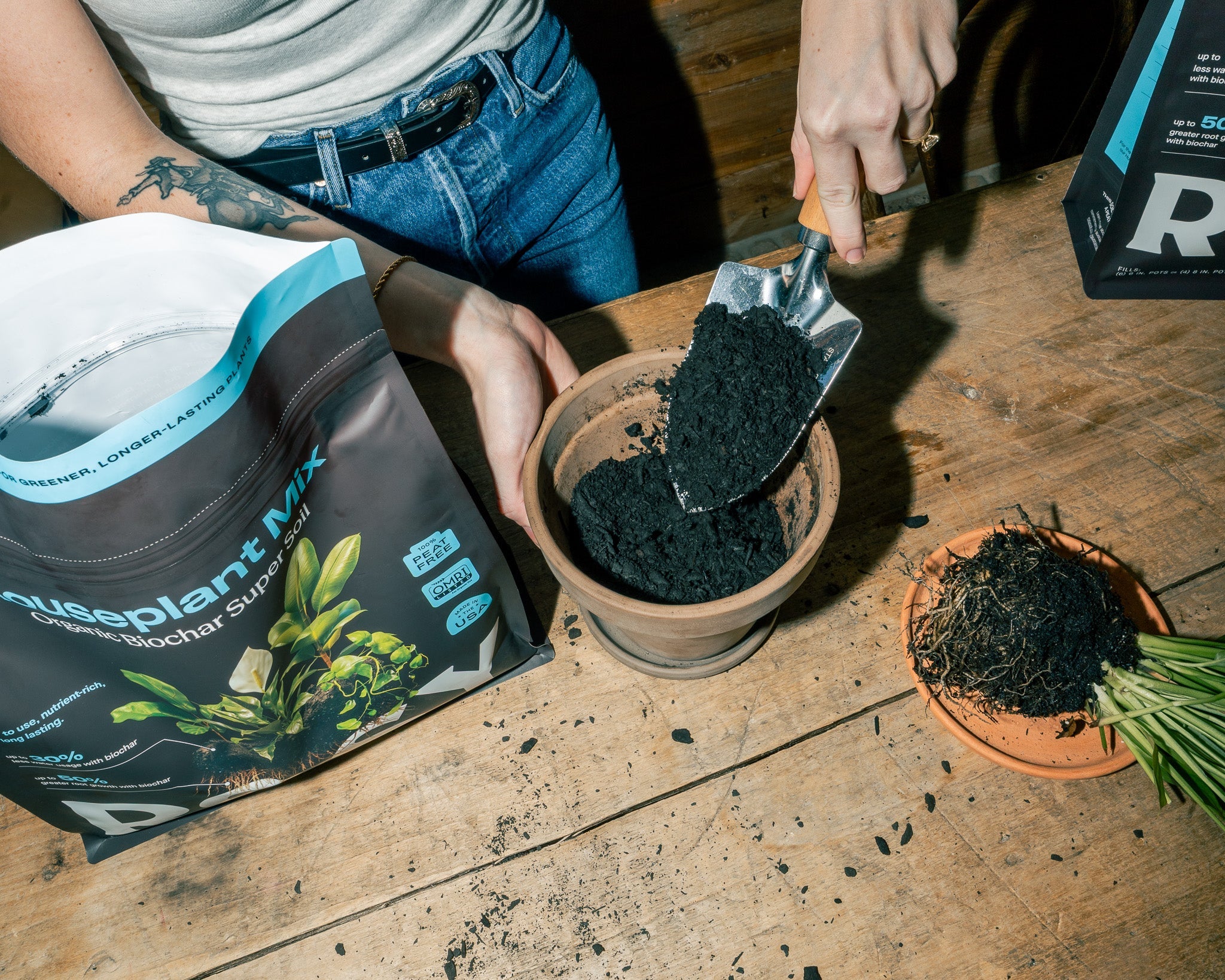

Keeping indoor plants happy isn't just about sticking to a watering schedule or finding the perfect spot for sunlight, it’s also about giving them the right soil and knowing the perfect time to repot them.
If you have had your houseplant for a while, you might have noticed that over time, even the best potting soil starts to lose its magic. The nutrients get used up, the soil gets compacted, and the roots run out of space to grow. When this happens, your plant will start showing signs of stress, but these are easy to miss until it’s too late.
Spotting these signs early can totally turn things around for your plant’s health. Repotting with the right indoor potting soil gives your plant the fresh start it needs restoring nutrients, improving drainage, and giving the roots the space they need to thrive.
Why Repotting Is Non-Negotiable for Houseplant Health
Even the best indoor potting soil won’t last forever. As you water your plants, nutrients get flushed out, the soil structure gets compact, and drainage starts to slow down. This leaves your plant’s roots in an unhealthy environment.
Repotting is more than just a cosmetic fix. It’s vital for the health of your plant. It restores aeration, replenishes nutrients, and gives your plant the space it needs to grow.
For most houseplants, you should aim to repot every 12 to 24 months, though it depends on the plant’s species and growth rate. Fast-growing plants like tropicals may need repotting every year, while slower growers like succulents can go 3-4 years before needing a new pot.
Give Your Plants the Soil They Deserve (Don’t Wait Until It’s Too Late). Delaying repotting can weaken roots and slow growth. Switch to Rosy Soil indoor potting soil enriched with biochar and compost to improve drainage, restore nutrients, and help your plant recover faster after repotting.
7 Unmistakable Signs It's Time to Repot A Houseplant
Knowing when to repot a houseplant requires attentive observation. Below are the seven signs that your plant needs a repot
-
Roots Escaping the Drainage Holes
Visible roots poking out from the base of the pot is one of the clearest signs that your plant needs a repot. Your plant is running out of space!
-
Water Drains Instantly Through
When water runs out through the pot without soaking into the soil, the roots have filled up the pot and there is not enough soil to hold moisture.
-
Stunted or Slow Growth
If your plant hasn’t put out new leaves in a while, especially during a growing season, this can be a sign it has grown out of its pot, or the nutrients in the soil are depleted.
-
Deteriorated, Hydrophobic Soil
Soil that has compacted or begun repelling water has lost its structural integrity. Replacing it with fresh indoor plant soil potting mix is essential to restore proper aeration and drainage.
-
Premature Leaf Yellowing or Drop
When yellowing cannot be attributed to overwatering or pest infestation, the likely cause is nutrient depletion in aging soil. A fresh potting mix will restore the nutrients your plant depends upon.
-
Top-Heavy Instability
A plant that repeatedly tips over or appears visually disproportionate to its container has outgrown its pot. Graduating to a larger pot with fresh soil gets it back on track
-
Visible Salt Crust on Soil Surface
A white mineral crust on the soil surface indicates excessive salt accumulation from fertilizer and/or tap water. This build-up inhibits nutrient uptake and signals that a complete soil replacement is overdue.
Noticing These Signs Already? It’s Time to Act. If your plant shows even one of these signs, repotting should not be delayed. Using a high-quality indoor potting mix like Rosy Soil helps prevent root stress, improves moisture balance, and supports healthier, faster growth.
Best Indoor Potting Soil for Different Plant Types
The right soil mix can make all the difference when repotting. While some plants can do well with basic potting soil, others need specialized blends for optimal growth. Here’s a quick guide for different plant types:
|
Plant Type |
Best Soil From Rosy Soil |
Why It Works |
|
Tropical Plants (Pothos, Philodendron, etc.) |
Rosy Soil Aroid Soil |
Great balance of nutrients and drainage so tropicals grow strong without sitting in water |
|
Succulents & Cacti |
Rosy Soil Cactus & Succulent Soil |
Fast‑draining mix that prevents root rot, perfect for drought‑loving plants |
|
Herbs (Basil, Mint, etc.) |
Rosy Soil Herb Soil |
Nutrient‑rich soil that keeps herbs productive and leafy |
|
Indoor Foliage Plants |
Rosy Soil Premium Houseplant Soil |
Soft texture and good airflow to support fuller foliage growth |
|
Ferns & Peace Lily |
Rosy Soil Houseplant Soil |
Holds just enough moisture without going soggy, ideal for moisture‑loving plants |
|
Snake Plant / ZZ Plant |
Rosy Soil Cactus & Succulent Mix |
Extra drainage helps prevent overwatering issues in these tough plants |
Succulent Specialist Note: A quality succulent potting mix should never be replaced with standard garden soil under any circumstances. Succulents are extraordinarily susceptible to root rot, and their growing medium must facilitate near-instant drainage. Look for a commercially prepared succulent potting mix with a minimum 50% inorganic component, or blend your own with equal parts standard potting compost and coarse horticultural grit.
Not all soils are created equal. Using the correct indoor plant soil potting mix for your plant type can mean the difference between survival and thriving. Whether you need a succulent potting mix with superior drainage or a nutrient-dense houseplant soil, choosing a high-quality organic blend ensures your plants grow faster, healthier, and stronger.
Step-by-Step Process Repot a Houseplant Correctly
How to Repot a Houseplant
-
Pick the right pot size
Go for a pot that's just 1-2 inches bigger than the one your plant's in right now. Too big, and the extra space holds too much water, which could lead to root rot. -
Water the plant 24 hours ahead
Give it a good drink! Wet roots are much stronger and easier to work with, while dry roots can snap. -
Gently take the roots out
Tip the pot sideways and ease the plant out. If it's stuck, carefully slide a knife around the edges to loosen it up. -
Check the roots and trim if needed
Look for any dead or mushy roots and trim them off with some clean scissors. -
Prep the new pot
Add a light layer of soil at the bottom of the new pot. Then, center the plant in the middle, making sure it's sitting at the right height (about even with the top of the pot). -
Fill with fresh soil
Add new soil around the plant's root ball, tapping the sides to make sure there aren't any air pockets, but avoid packing it too tightly. -
Water thoroughly and relocate
Water until the water flows out of the bottom of the pot. Then, move the plant to a spot with indirect light for the next 1-2 weeks. Give it time to settle and get used to its new home before you start fertilizing again.
Conclusion
Repotting is not just routine maintenance; it is an important reset for your plant’s entire ecosystem. From restoring nutrients to improving aeration and root space, using the best soil when repotting houseplants directly impacts long-term plant health.
By recognizing the early signs it’s time to repot, and choosing a high-quality indoor plant potting mix that thrives in, you create the ideal environment for sustained growth. Whether you're caring for tropical foliage or drought-resistant succulents, the right soil for indoor plants ensures your plants don’t just survive, they flourish.
Invest in better soil, act at the right time, and your indoor garden will reward you with stronger roots, vibrant leaves, and consistent growth.
FAQs About Repotting Houseplants
Q: Can I use garden soil as indoor potting soil?
A: Garden soil is fundamentally unsuitable for indoor container use. It compacts severely in pots, inhibits drainage, and frequently harbours pathogens, pests, and weed seeds. Always use a purpose-formulated indoor plant soil potting mix to ensure appropriate aeration, drainage, and sterility.
Q: How long after repotting should I wait before fertilizing?
A: Most premium indoor potting soil formulations contain sufficient slow-release nutrients to sustain the plant for four to six weeks post-repotting. Introducing fertiliser too early risks burning vulnerable new root growth during the critical establishment phase.
Q: My plant is wilting after repotting. Is this normal?
A: Mild wilting immediately following repotting is entirely normal and constitutes standard transplant shock. Ensure the plant is positioned away from direct sunlight, maintain consistent moisture levels without overwatering, and allow one to two weeks for the root system to re-establish itself in the fresh potting soil indoor plants blend.
Q: What is the best soil for repotting houseplants with drainage issues?
A: For plants prone to waterlogging, blend a quality potting mix for indoor plants with 20–30% perlite or coarse horticultural sand. This amendment significantly increases macroporosity, facilitating rapid drainage and preventing the anaerobic soil conditions that cause root rot.
Q: Should I repot a newly purchased houseplant immediately?
A: Allow a newly acquired plant a minimum of two to four weeks to acclimate to its new environment before repotting. Premature repotting compounds environmental stress and may precipitate significant leaf drop. Once acclimated, assess whether the nursery soil and container are appropriate for long-term growth.
Give Your Plants the Soil They Actually Need. Your plant’s health starts from the roots. Choosing the right indoor potting soil can make the difference between slow growth and thriving plants.
Rosy Soil indoor potting mix is enriched with biochar, compost, and organic nutrients to support stronger roots, better aeration, and long-term plant health. Make the switch today and give your indoor plants the foundation they deserve.