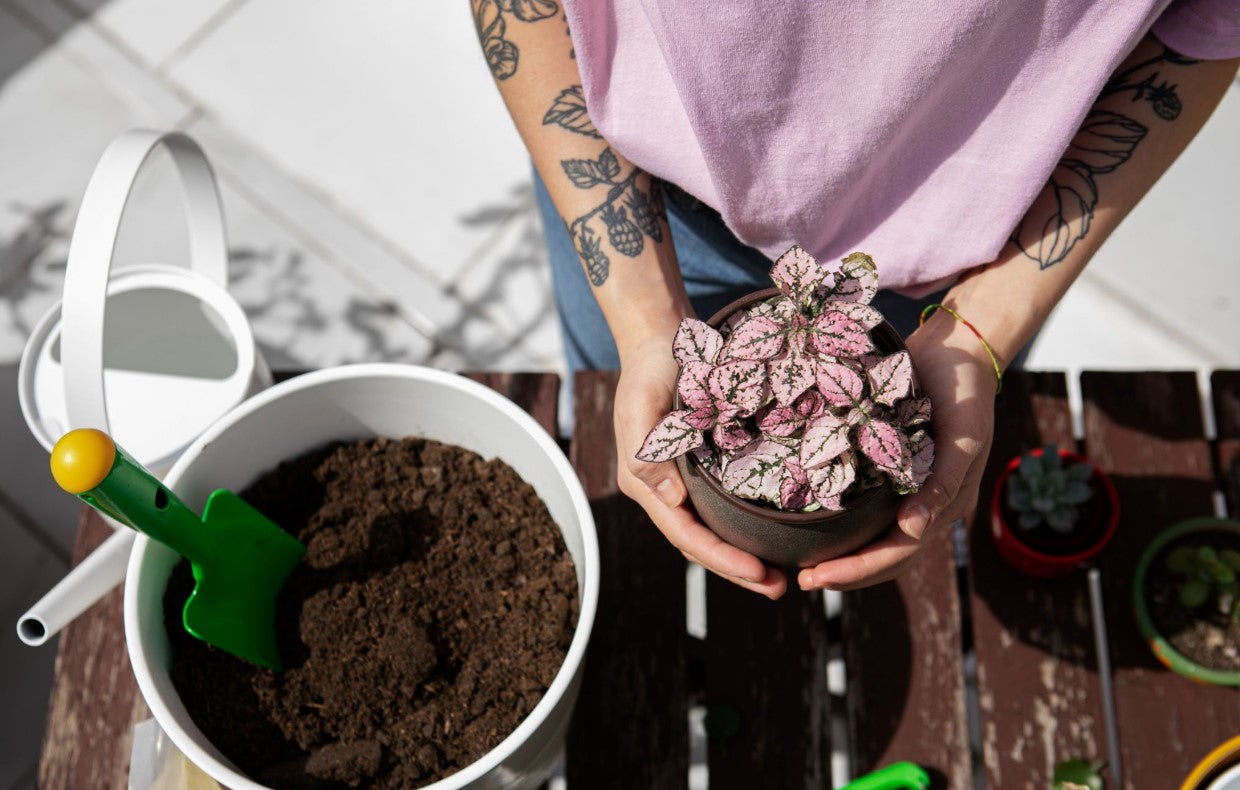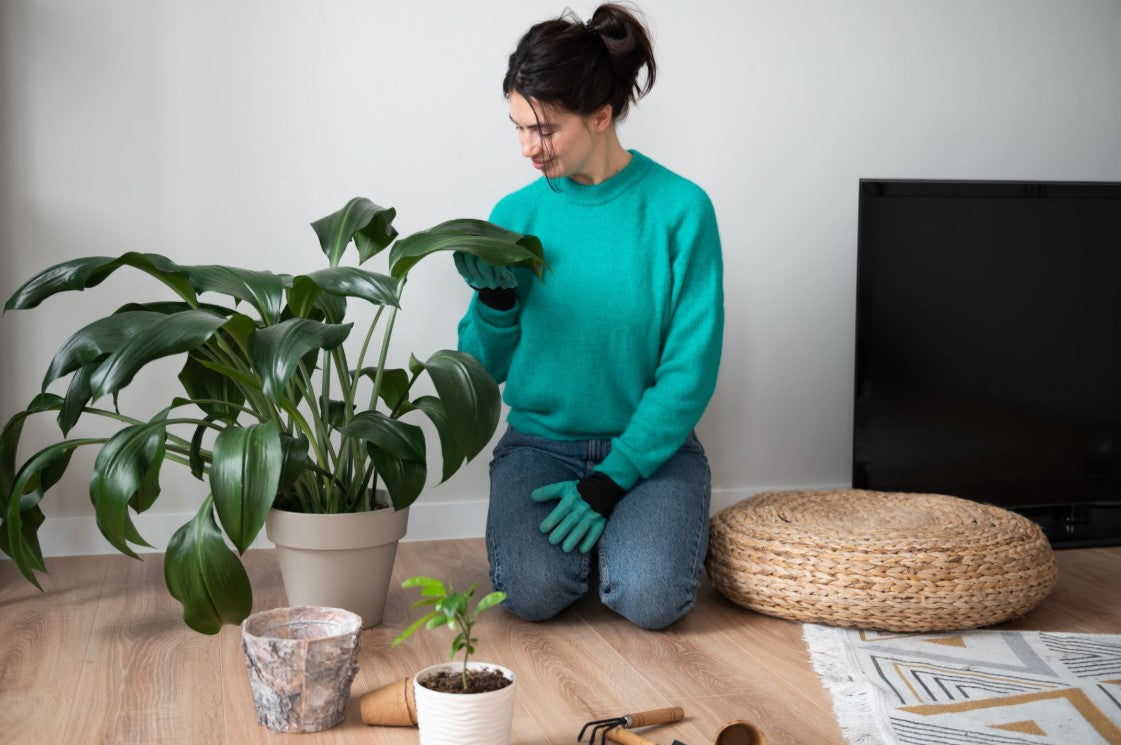
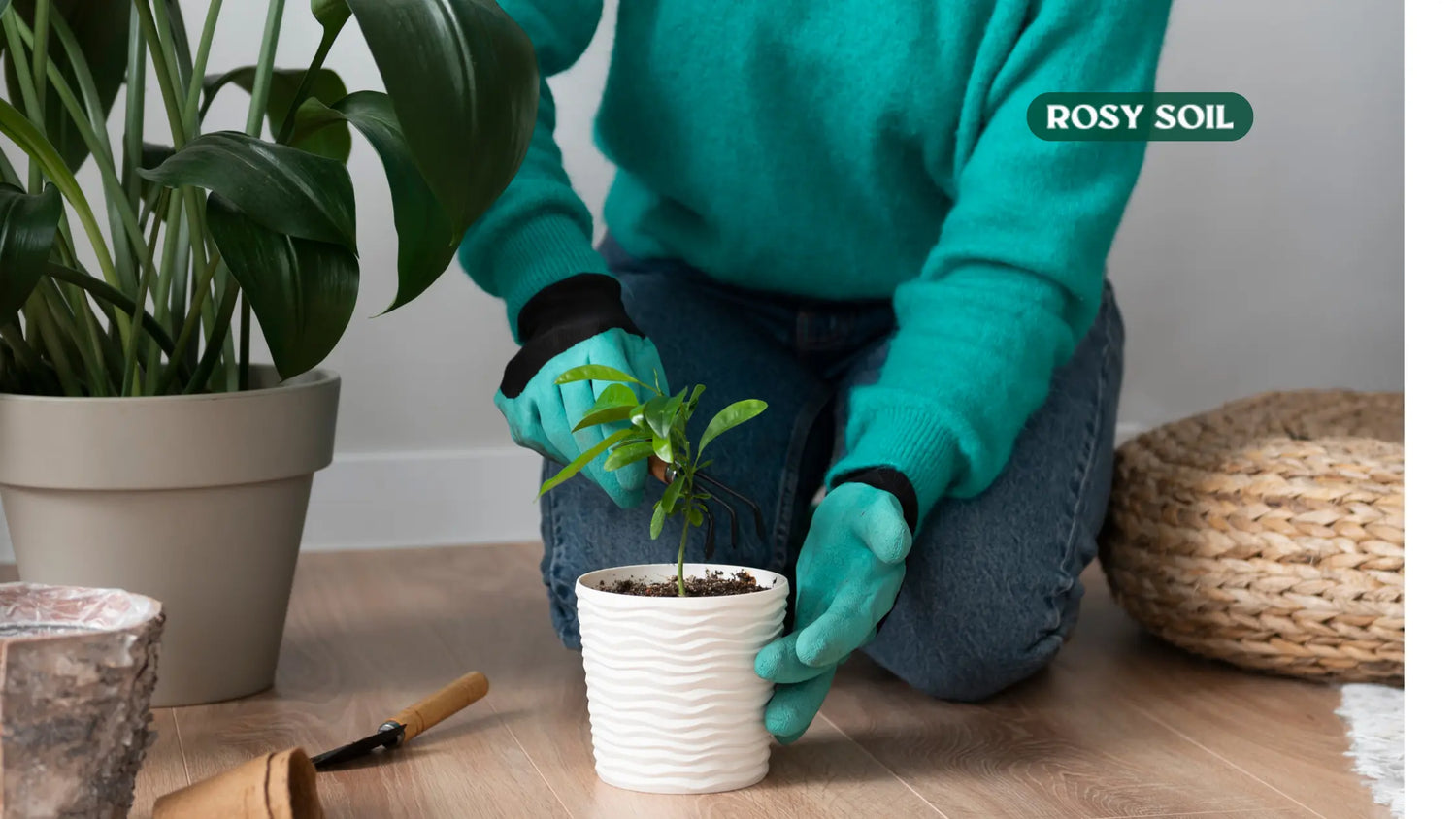
Spring is the perfect time to give your plants a little extra care and attention, and one of the most important tasks during this season is repotting. As your plants begin to thrive with increased sunlight and warmth, their growth rates accelerate, meaning their needs for space, nutrients, and water also change. Noticing the signs that it’s time to repot can make the difference between a thriving, healthy plant and one that struggles.
In this blog, we will walk you through the top signs that your plant is ready for a repot, explain why each sign matters, and help you identify the perfect time for this crucial task. Plus, we’ll guide you in choosing the right potting mix to ensure your plant’s continued health.
Why Spring Changes Everything
Plants are not passive. They respond to environmental cues, light cycles, temperature shifts, and humidity, and adjust their internal chemistry accordingly. In spring, auxin and cytokinin production ramp up, root growth accelerates ahead of shoot growth, and the plant becomes primed to colonize new soil quickly.
This is the only time of year when a plant is biologically motivated to push roots into fresh indoor plant soil rapidly. A repot in March or April means the plant recovers in days, not weeks. The same repot in November can leave a plant sitting in a new pot in dormant confusion for months.
The signs below matter year-round, but if you are seeing them now, in spring, the urgency is higher than at any other point in the calendar.
8 Signs Your Plant Is Ready to Repot Right Now
1. The Soil Dries Out Within 24–48 Hours of Watering
If you are watering your plant and noticing that the soil is dry within a day or two, it’s a sign that your plant has likely outgrown its pot. When the roots have expanded to fill most of the pot, there is little room left for soil to retain moisture. This means the plant is absorbing all available water quickly, leaving the soil dry much faster than usual.
Why it’s important: During spring, when plants are actively growing, their water demands increase. Soil that couldn’t hold enough moisture during the winter will fail to support the plant’s needs as growth accelerates.
2. New Leaves Are Smaller Than Previous Ones
Pay attention to your plant’s new growth. If the new leaves appear smaller or more stunted than the older leaves, it’s a sign that the plant is struggling to get the nutrients it needs. This often happens when the roots are confined to degraded or exhausted soil, limiting the plant’s access to essential minerals.
Why it’s important: When your plant is not receiving enough nutrients, it starts to ration resources, which shows up as smaller, weaker growth. Left untreated, the plant will stop growing altogether.
3. You Can See or Feel a Dense Root Mass When You Tip the Pot
One of the easiest ways to check if your indoor plants are rootbound is by tipping the pot gently to get a peek at the roots. If the roots have formed a dense, circular mass with almost no visible soil between them, it’s time for a repot.
Why it’s important: When roots are tightly bound, they can no longer effectively absorb water and nutrients. Additionally, the outer roots can start to girdle the inner ones, cutting off vascular flow, which is critical for your plant’s health.
4. No New Growth in 4+ Weeks During Spring
Spring should bring a burst of new growth to most plants. If your plant has not shown any signs of new growth for more than a month, it may be time for a repot. If light and watering aren’t the issue, your plant might be struggling with restricted roots or poor soil that no longer supports its growth.
Why it’s important: Spring stagnation is often a red flag indicating the plant is not receiving what it needs to fuel its growth. Repotting ensures the plant has the space and nutrients to begin growing again.
5. The Potting Soil Smells Musty or Slightly Sour
Healthy soil should have an earthy smell. If the soil begins to smell musty or sour, it means the balance of microbes in the soil has shifted, possibly due to poor drainage or waterlogged conditions. This can lead to anaerobic bacteria thriving, which can damage roots.
Why it’s important: A musty smell indicates that the soil environment is deteriorating. If this is left unchecked, your plant’s roots could begin to rot, which can be fatal for the plant.
To ensure your plants have the healthiest soil, check out Rosy Soil’s peat-free soil options that promote healthy microbial life. Contact us now!
6. Fertilizer Isn’t Working Anymore
If your plant has stopped responding to regular feedings, this could indicate that mineral salts have built up in the soil. Over time, salts accumulate, making it difficult for the roots to absorb water and nutrients, even when you’re feeding your plant properly.
Why it’s important: A lack of response to fertilizer often means that the soil has become toxic and is no longer able to supply your plant with essential nutrients. Replacing the old soil is the only real solution.
7. The Plant Has Been in the Same Pot for More Than 18 Months
Soil doesn’t last forever. After about 18 months, most indoor soils begin to break down, losing their structure and nutrient-holding capabilities. Even if your plant isn’t showing signs of distress yet, it’s time for a maintenance repot to refresh the growing medium and give your plant a fresh start.
Why it’s important: Just like regular oil changes for a car, repotting on a regular schedule prevents future problems and ensures your plant has the optimal environment for growth.
Check out our detailed plant care guide to learn more about maintenance repots.
8. The Pot Is Cracking, Bulging, or the Root Ball Won’t Budge
If the pot is physically deforming (cracking or bulging) or the root ball is stuck in place, the plant is severely rootbound. In this situation, root damage is already occurring, and immediate repotting is necessary.
Why it’s important: Deformed pots and root-bound plants are under severe stress. If left unattended, the plant’s growth will become permanently stunted.
Also Read: Indoor Potting Soil vs. Regular Soil: Why Your Houseplants Need Special Treatment
A Spring Repotting Checklist by Plant Type
Not every plant has the same urgency. Here's a practical guide to prioritizing your spring repotting:
Repot first (high growth rate, depletes soil fast): Monstera, Pothos, Philodendron, Peace Lily, Bird of Paradise, Fiddle Leaf Fig. These plants push hard in spring and will benefit the most immediately from fresh houseplant soil and more root space.
Repot if showing signs (moderate growers): Snake Plant, ZZ Plant, Rubber Plant, Dracaena. These can go 18–24 months, but check the signs above. If two or more apply, repot now.
Repot with care (slow growers or sensitive to disturbance): Orchids, Cacti, Succulents. These need species-specific repotting soil or cactus soil, and repotting is best done only when signs are clear. Repotting unnecessarily can cause more stress than benefit for these plants.
The Mistake That Cancels Out a Good Repot
You have identified the signs, the right time and a new pot, and then you fill it with the wrong soil.
This is the single most common repotting mistake. Generic potting soil mixes built on peat moss look the part, but peat compacts within months, turns hydrophobic when dry, and contains almost no biological life. A plant moved from one poor medium into another isn't being given a fresh start; it's just being relocated to a new problem that will present itself again in six months.
The repotting soil for indoor plants you choose sets the trajectory for the entire growing season. A biologically active, peat-free plant soil that maintains its structure, with ingredients like biochar, worm castings, mycorrhizal fungi, and pine bark fines, will continue working for your plant long after a conventional mix has broken down.
Want to understand what makes the difference? Read about the science behind Rosy Soil's formulas ->
Conclusion
Repotting isn’t just a seasonal task; it’s an important part of your plant’s overall care. Recognizing when your plant needs a new home ensures it has the space, nutrients, and soil quality it requires to continue thriving. When plants outgrow their pots or their soil becomes exhausted, they can become stressed, leading to stunted growth and even health problems. By repotting at the right time and using the best soil, you’re giving your plant the best chance to flourish.
Ready to give your plants the fresh start they deserve?
At Rosy Soil, we offer peat-free, nutrient-packed potting mixes designed to nourish your plants’ roots and provide the perfect balance of drainage and moisture retention. Whether you’re working with fast-growing tropical plants or slow-growing succulents, our premium soil blends will support your plants every step of the way, ensuring they thrive throughout the seasons.
About Author:
Chad Massura is the founder and CEO of Rosy Soil. A lifelong gardener who grew up in the garden with his grandma in Chicago, Chad became obsessed with biochar and carbon capture while working in the food and impact space. When he learned that most potting soils are loaded with peat moss, an ingredient that’s terrible for the planet, he started blending biochar-based alternatives in his kitchen and testing them on every willing friend and family member he could find. Rosy Soil launched on Earth Day 2022. Chad is a self-confessed soil nerd, a serial plant experimenter, and a firm believer that good soil is the secret most plant parents are missing.